What Skateboarders Can Teach Us About the Future of MRT
 Photos by Vignes Balasingam
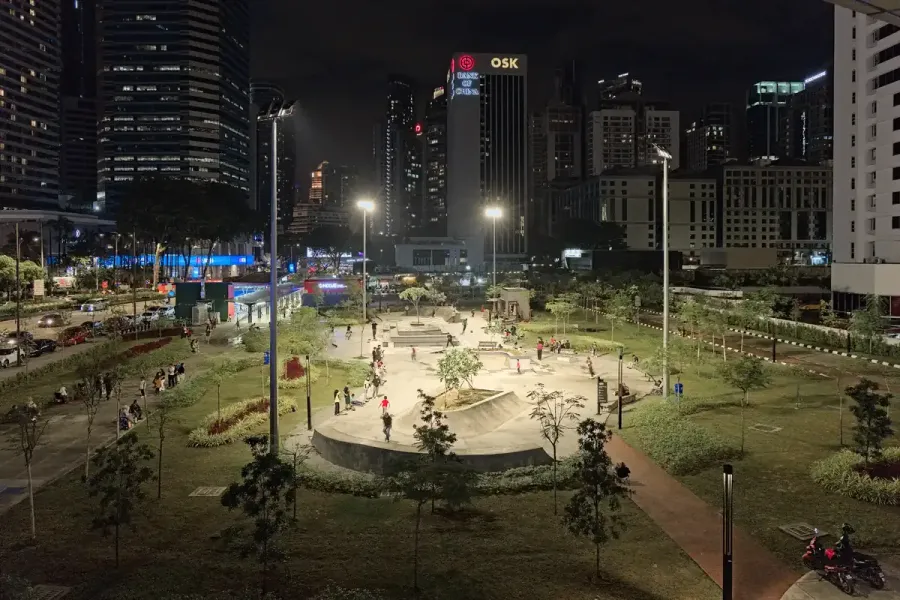
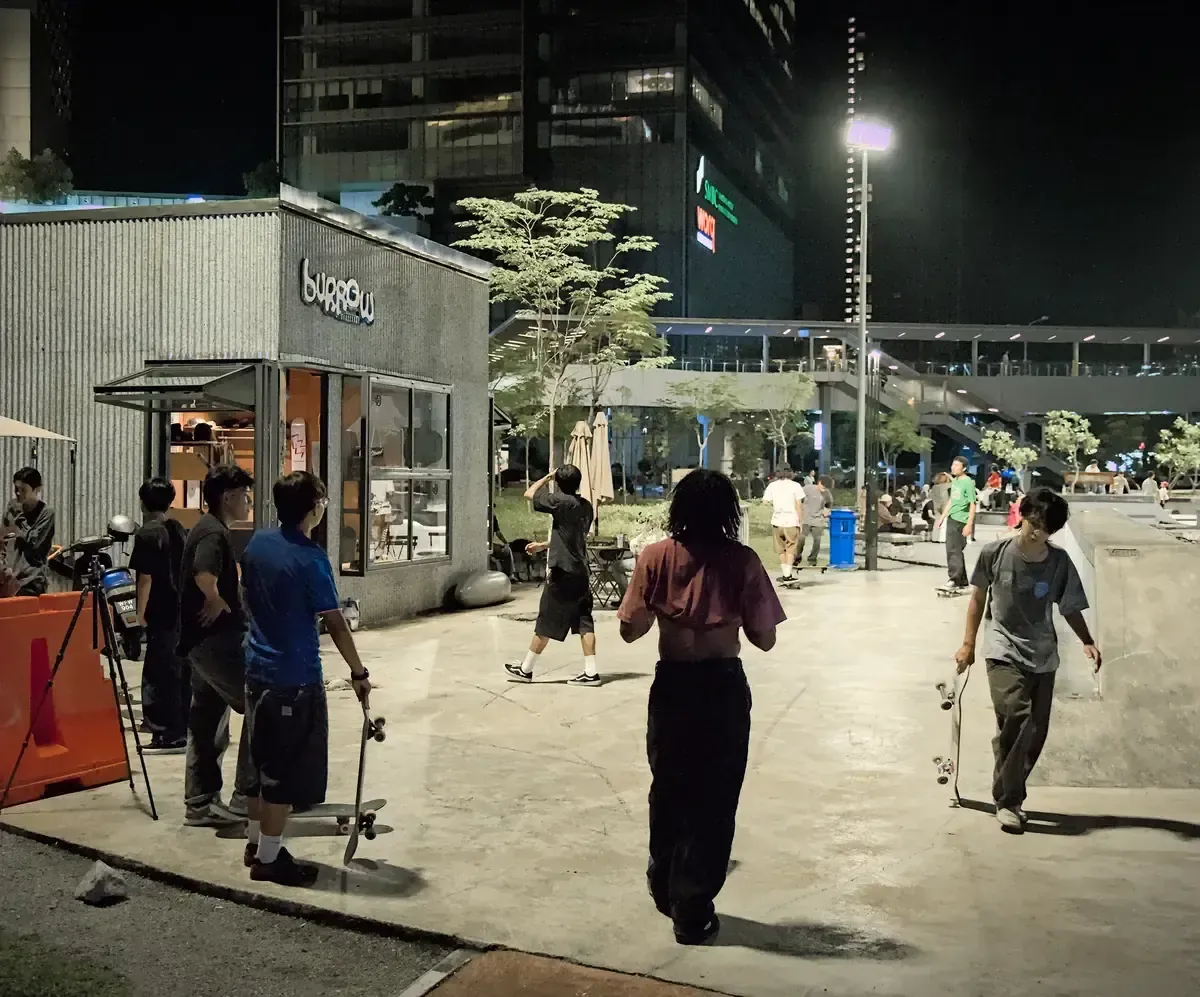
 If you take the MRT into Ampang Park, you’re likely to be greeted with an unusual sound as you exit the station. As you ascend the escalators and the tannoy announcements fade below, the pop, clatter, and scrape of skateboards ring out. Ampang Park is busy. And not just with the usual crowd of commuters and downtown shoppers—it’s become Kuala Lumpur’s hottest hangout spot for skaters.
Although the government has invested a hefty RM57 billion into the construction of MRT1 and MRT2, ridership still lags behind targets despite steady growth since the pandemic. This has raised questions about MRT’s future and how it can better serve the city. To find some answers, I took a trip to Ampang Park.
Skate ‘n Go: Life in the Skate Plaza
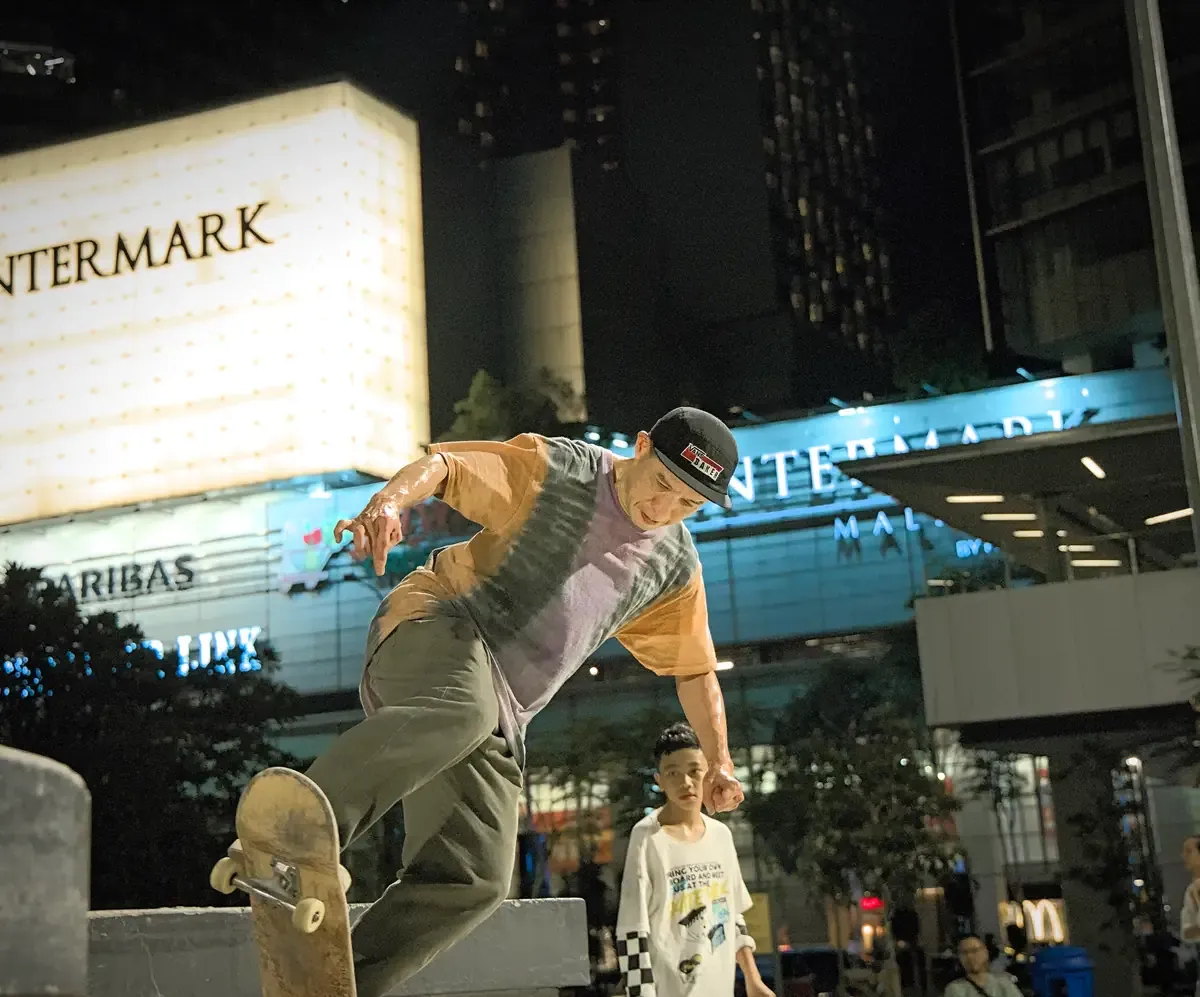
The Urban Skate Plaza @ MRT Ampang Park Station has quickly become a landmark for Kuala Lumpur’s youth culture, transforming an ordinary transit stop into a thriving social hub. The success of this skate plaza is more than just good timing or novelty; it’s a testament to how thoughtful design and community engagement can activate public spaces and draw in diverse groups of people.
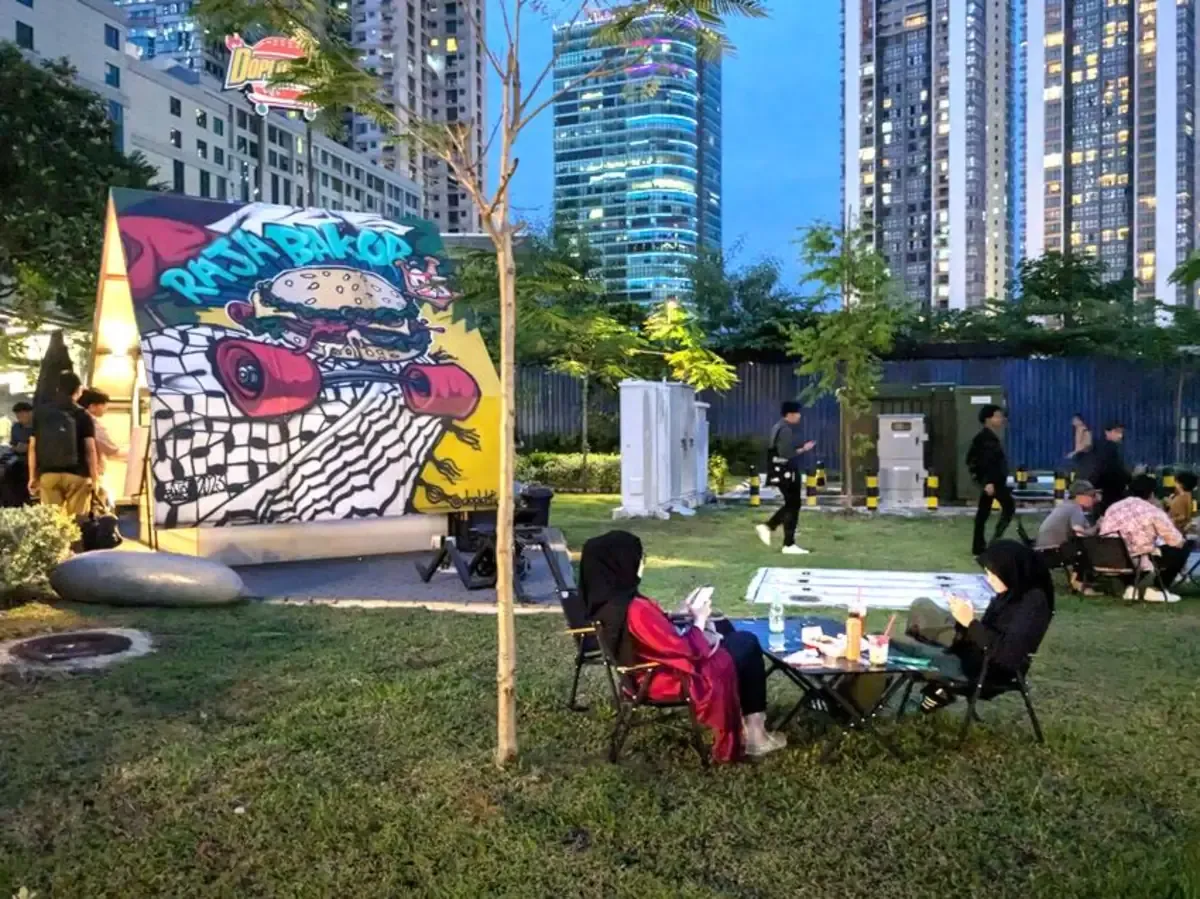
What makes this space work so well? The skate plaza’s open layout, with clear sight lines, feels safe and inviting for skaters and spectators alike. Families come to watch, children play nearby, and young adults enjoy the freedom to skate in a designated space. Kiosks catering to Malaysia’s favourite pastime sell foods of all kinds, from ice cream to small bites. This and the abundance of public seating encourage people to linger, whether it’s for lively chat or a silent moment alone.
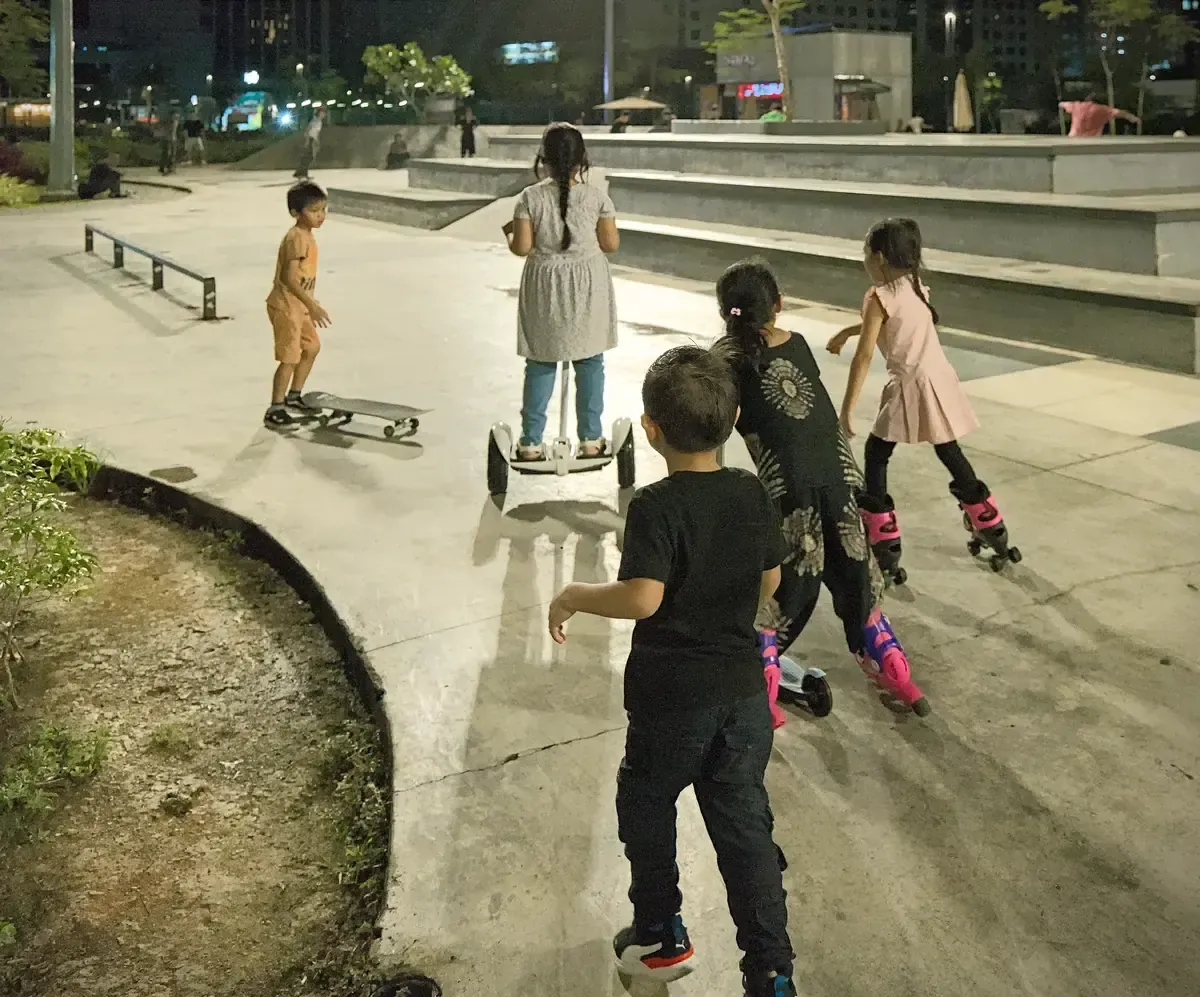
I spoke with siblings Aina, 12, and Danish, 10, who told me they never planned on skating. “On our way home one day, we passed by the plaza and our dad had an idea to get us started on skating,” Aina shares. They took to it instantly, finding other enthusiasts to learn from here. Accompanied by their parents, they’ve been skating weekly for over a year now. “Sometimes we stay til 1am!” Danish adds.
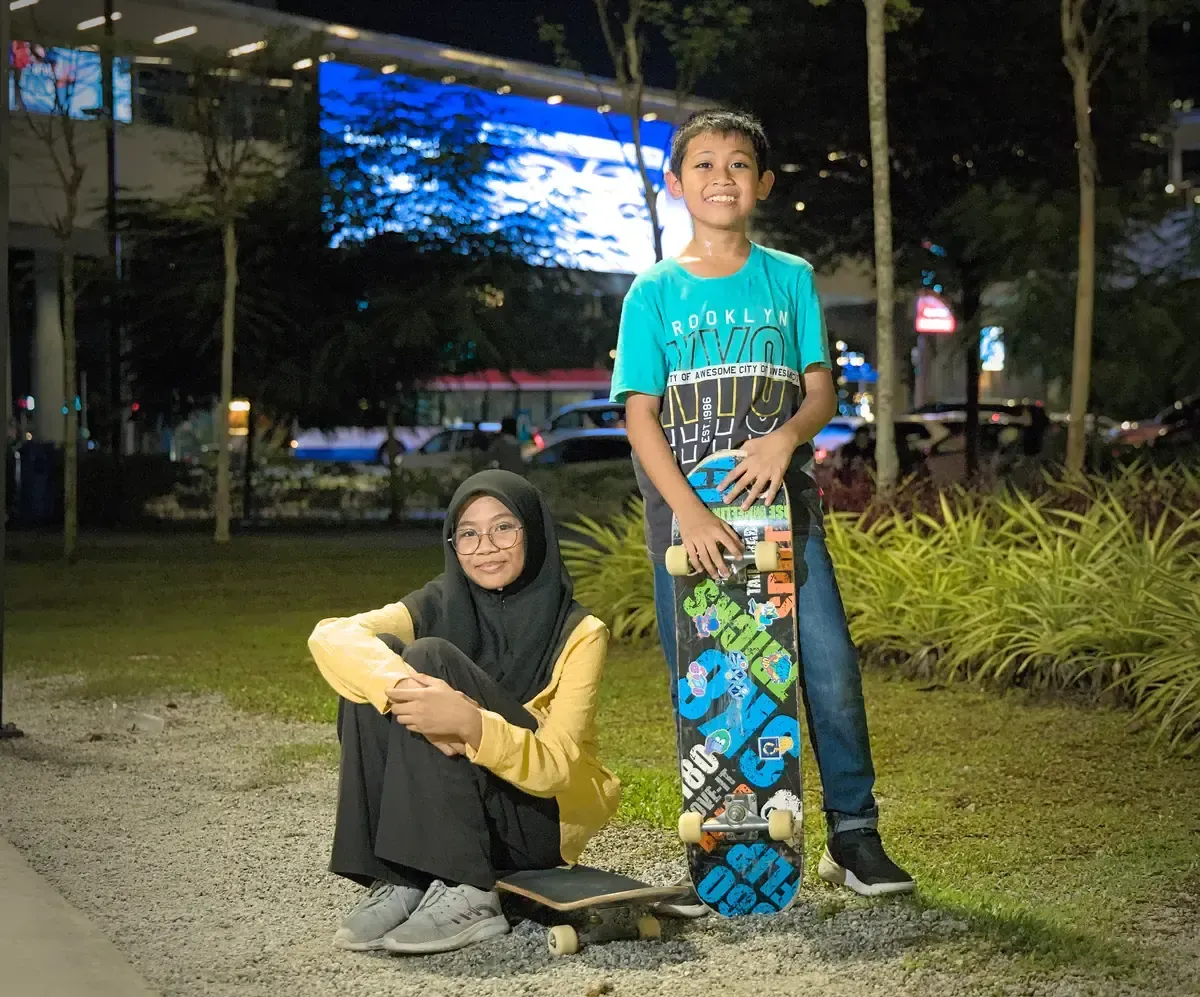
Aina and Danish are able to skate because of an unusual collaboration. The skate plaza was created through a partnership between MRT Corp, Vans, and local skateboarding figures, combining branding, funding, and local expertise. Throughout the design and construction process, Vans worked closely with renowned homegrown skateboarder, Pa’din Musa, to ensure the park met the local skate community’s needs.
“Some skateparks are not designed by skaters. It makes them hard to skate, and sometimes even dangerous,” Ricky Goh, 54, says. The skate shop owner who has been skating for 40 years puts his stamp of approval on this plaza, citing clear design intention and use of quality flooring as factors that contribute to an enjoyable and safe skateboarding experience.
Beyond Liminal Spaces and Empty Corridors
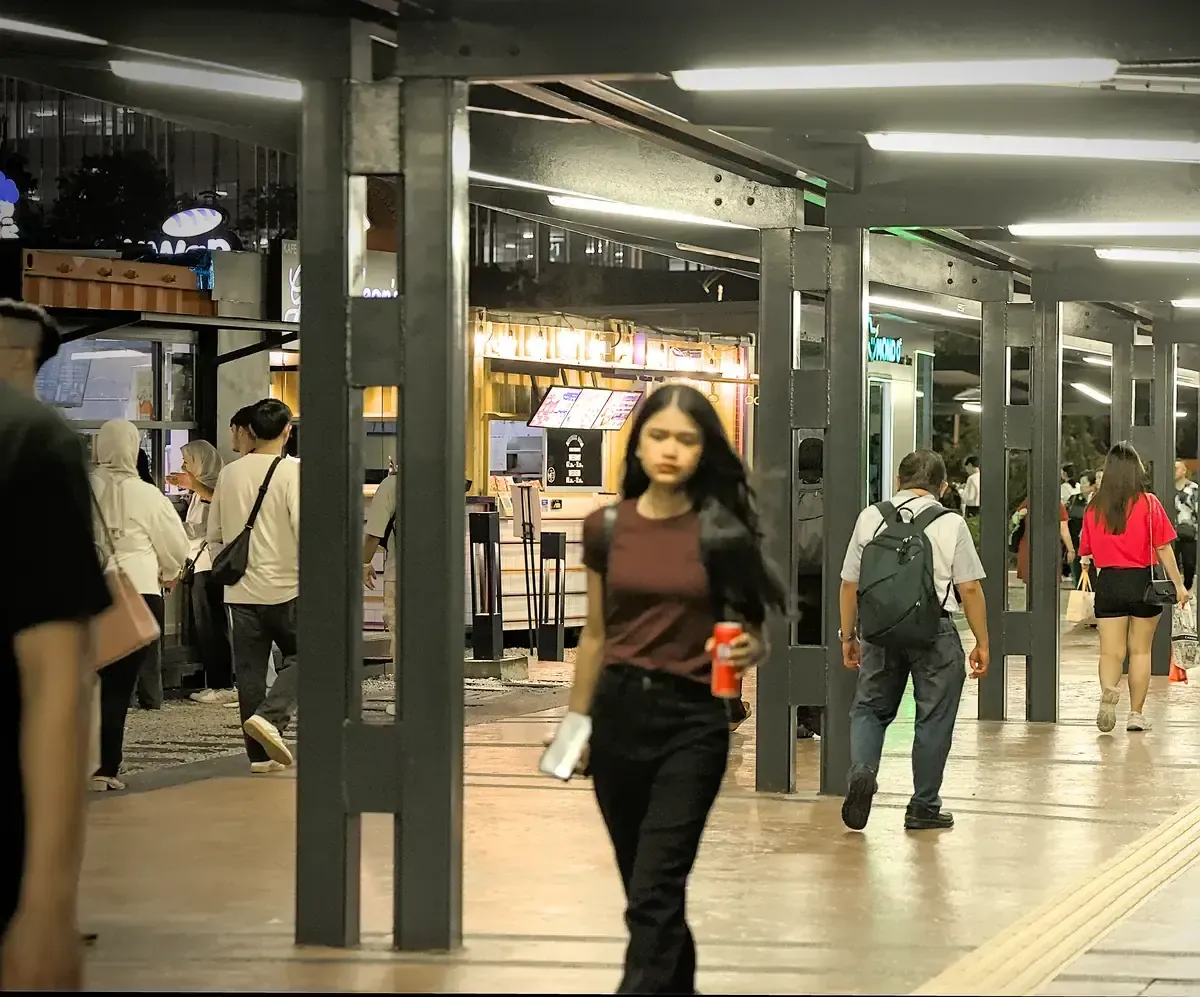
Ampang Park’s success offers an encouraging example of the potential within Kuala Lumpur’s MRT stations. Many of these stations, with their long, empty corridors, present opportunities for activation and revitalization. Similarly, exits that currently leave riders on busy roadsides without a clear sense of arrival could benefit from better design and wayfinding. Addressing these elements could transform MRT stations into more inviting and engaging spaces for commuters and the community alike.
Take Titiwangsa Station, for example. The area directly outside the station lacks shaded spots and more landscaping to make walking appealing in Kuala Lumpur’s heat or rain. The large, flat expanse of grass surrounding the station is an area calling out for activation, giving people a reason to visit the station. Ampang Park shows us that transit stations don’t need to be purely functional; with thoughtful design, they can become lively destinations in their own right.
Placemaking Strategies to Activate MRT Stations
Ampang Park is a promising example of how MRT stations can be activated to serve communities. Here are three strategies to build on this success:
Mixed-Use Development and Diverse Amenities
MRT stations should offer more than just transport services. This could include grocery stores, eateries, and even medical centres. By having a tenant mix that caters specifically to the location, MRT hubs can serve a broad spectrum of needs, making them attractive not only to commuters but to anyone in the area. Additionally, tiered rental rates could encourage smaller, independent businesses to open at MRT stations, fostering a local identity.
All-Day Activation
Most transport stations experience a dip outside peak hours, but with thoughtful design and programming, stations can stay busy around the clock. Adding community parks, cultural centres, and learning hubs, along with programming like fairs, workshops, and exhibitions, could increase ridership beyond peak hours and create a spillover effect for surrounding businesses.
First and Last Mile Connectivity
Perhaps most important of all, is improving “first and last mile” connectivity—the journey from home or destination to the transit station. The easier it is to reach a station, the likelier uptake of its activation. Textbook solutions like creating pedestrian-friendly paths, bike lanes, and scooter parking around stations must be put through a community audit or risk being redundant. Inviting actual end users to test and provide feedback will ensure the effectiveness of these designs.
MRT3: An Opportunity for User-Centred Design
As MRT3 moves forward, we have a chance to design stations with community engagement and placemaking at their core. Ampang Park highlights how essential it is to understand and involve relevant partners and future users in station planning. By prioritising their input throughout the design and development process, MRT3 stations can be built to support both commuters and the surrounding neighbourhoods.
What would an MRT station designed with users’ feedback look like? First and last mile connectivity could be informed by feedback from cyclists, scooter users, and pedestrians about the safest routes. Plans for mixed-use retail spaces could prioritise services that locals need—whether it’s cafes, banks, or grocery stores. Programming could be tailored to support a variety of community events, from pop-up markets to art exhibitions, keeping the station and its surrounding neighbourhood active and relevant.
There are few projects on the horizon that could transform Kuala Lumpur as much as MRT3. The new line has the potential to reduce car dependency and resolve long-standing traffic and accessibility issues. But the success of MRT3 will hinge on whether the lessons from Ampang Park are applied to the new stations.
ANTARA Lab is a placemaking consultancy helping developers, property owners, and businesses navigate the complexities of sustainable development through research and stakeholder engagement. Have a space to activate? Contact us here.
More posts:

4 September 2024
How Community Engagement Breathed New Life into an Underused Sports Facility
Community engagement revives Subang Ria’s abandoned courts, turning them into a vibrant, multi‑use hub.
Read More →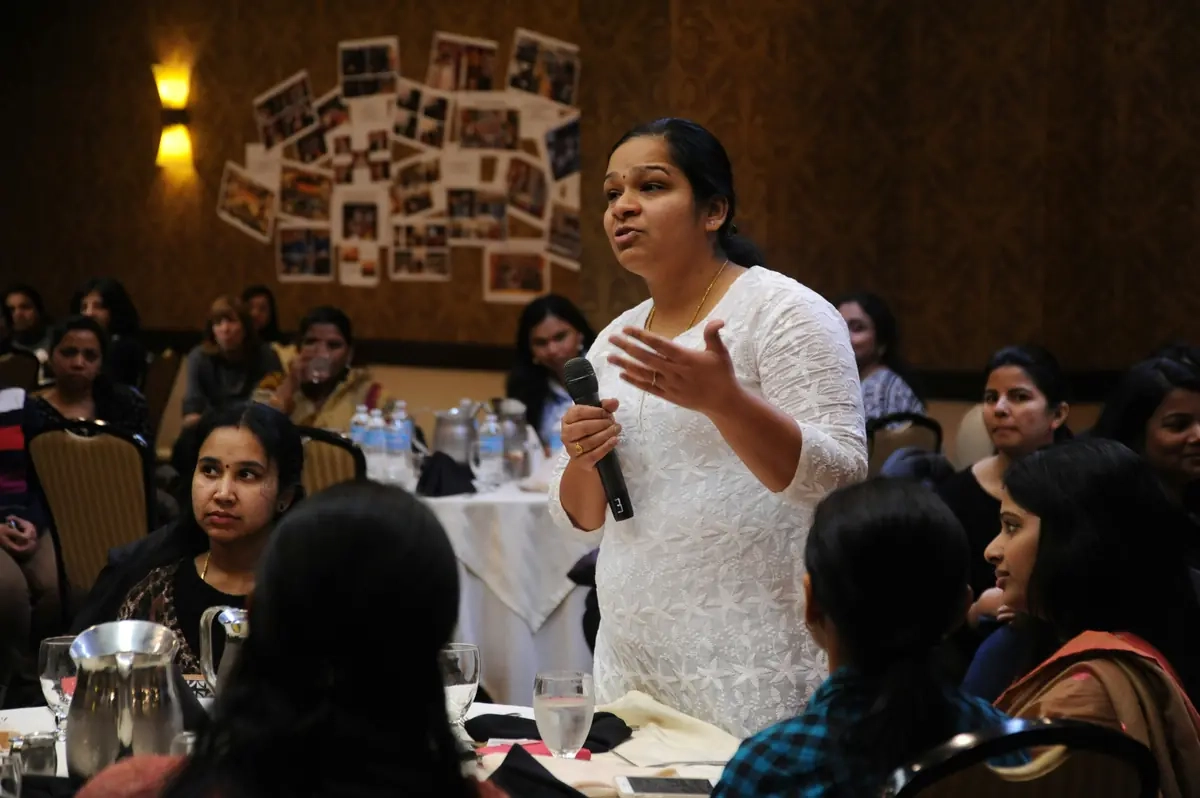
7 July 2024
A Placemaker's Guide to Running Town Halls that Actually Matter
Practical guide to planning, running, and following up on town halls that build trust and drive meaningful placemaking outcomes.
Read More →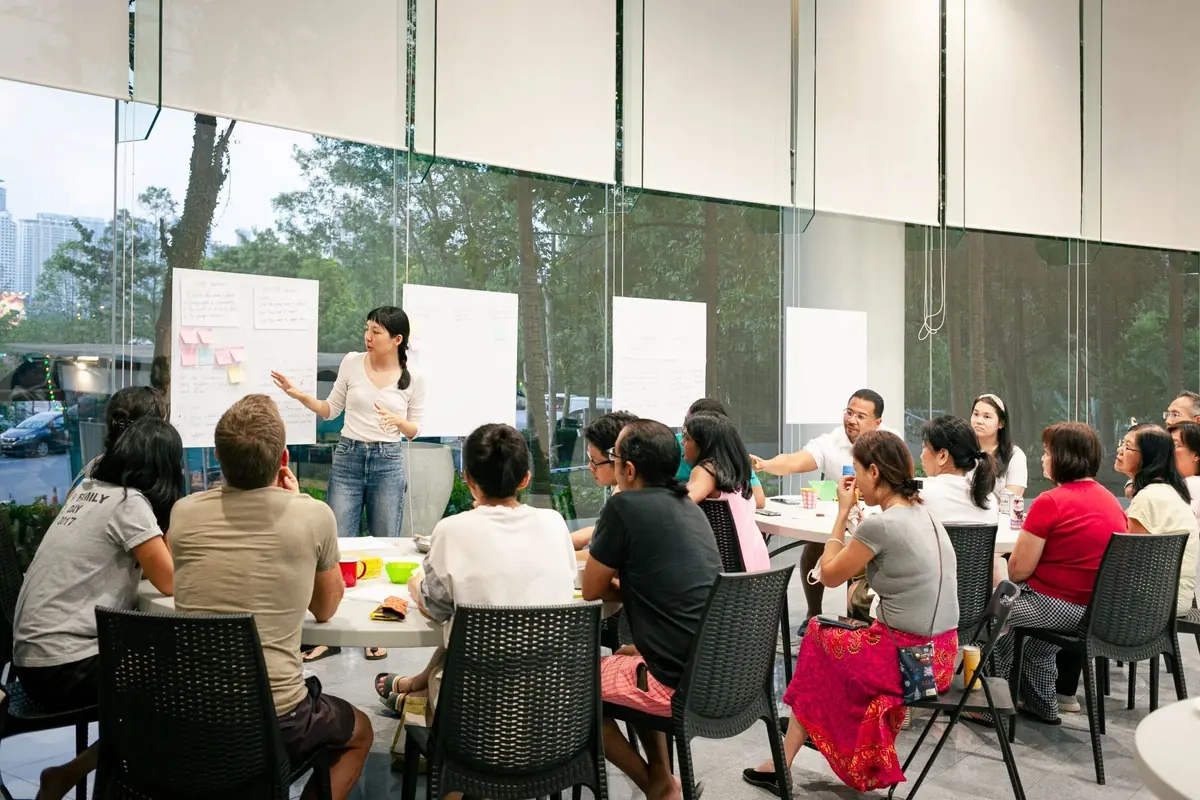
26 March 2024
Looking to Support Non-profit Projects through Placemaking
NGOs and community groups can apply for ANTARA Lab’s placemaking support to revitalise spaces.
Read More →