Retirees Turn Hiking Trail Into Placemaking Win
 Photos by Adeline Chua
 Liveability is not achieved merely by top-down efforts. Often times, it takes a burst of local action to remind us that we don’t need to wait for official efforts to start making the places we live, work and play in better for us. Set in the city of Kuala Lumpur, Sri Bintang Trail is an encouraging example of how communities have used placemaking to carve out a shared space for themselves to enjoy nature.
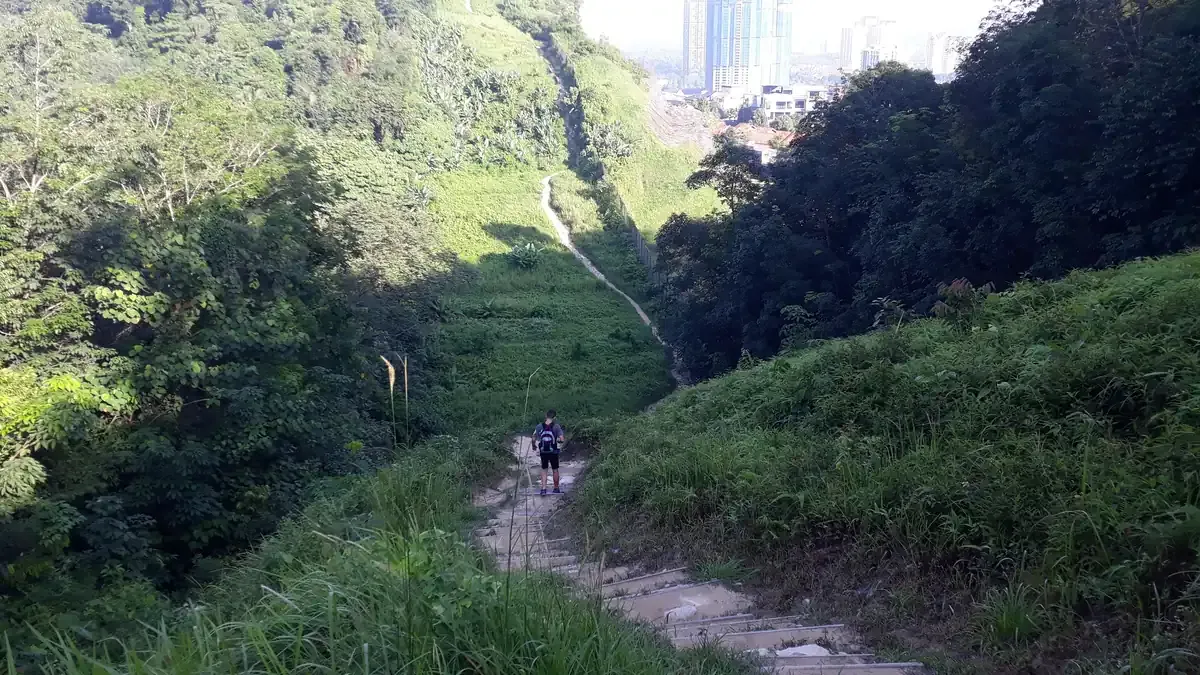
Roughly spanning 3.4km, Sri Bintang Trail is a beloved trail started by the public for the public. With easy access from multiple points in the city, varying terrain and rewarding views at its many look-out points, Sri Bintang Trail is a popular one for city folks looking for a quick nature escape to sweat it out, to socialise or to merely enjoy some silence.
Who is behind it?
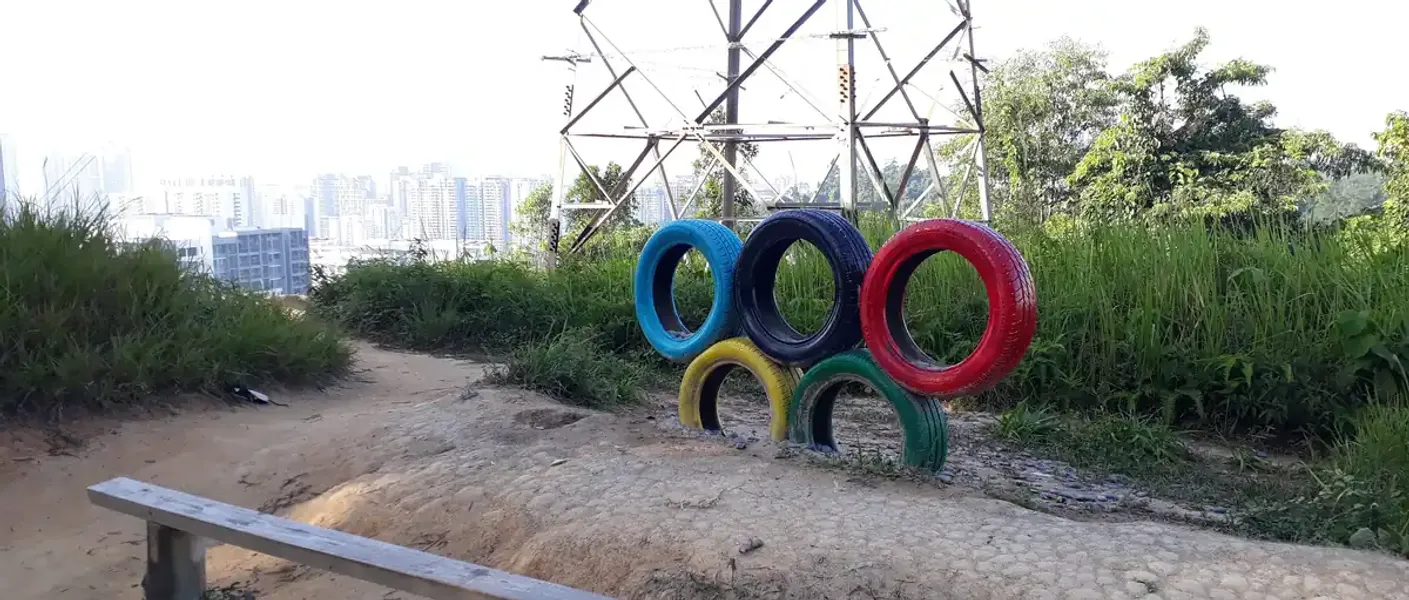
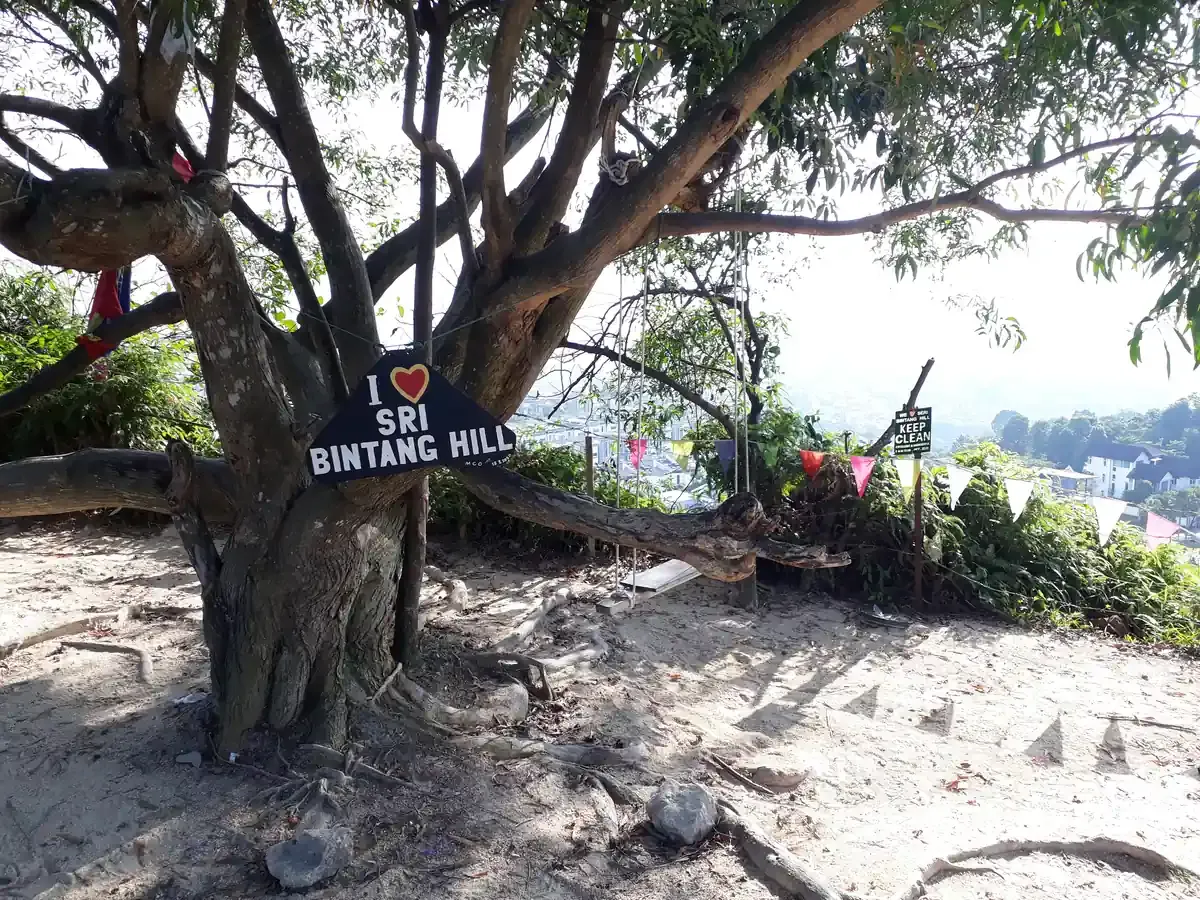
No one lays claim to this trail but by the looks of it, it is a trail organically created by folks (mostly retirees) wanting to hike. With its many makeshift rest-stops and DIY trail reinforcements, Sri Bintang is a loud and proud people’s project.
Is it a placemaking win?
Using The Place Diagram, a tool developed by Project for Public Spaces after observing thousands of public spaces around the world, we can see that the Sri Bintang Trail is a placemaking win. The four qualities of great public spaces, according to PPS:
“…they are accessible; people are engaged in activities there; the space is comfortable and has a good image; and finally, it is a sociable place: one where people meet each other and take people when they come to visit.”
-
Access & Linkages
-
Uses & Activities
-
Comfort and Image
-
Sociability
Is it accessible?
One of the qualities of a great public space is its Access & Linkage. The Sri Bintang Trail is highly accessible from many points. Although – as with many place in Malaysia, unfortunately – this accessibility is in relation to private vehicles, not public transport. The trail has many starting and end points, amongst them: access from Sungai Penchala (surrounded by Malay villages), Jalan Sri Bintang (a Chinese housing area) and a high-rise condominium nearby.
There are no designated parking lots but as with the informality of this space, hikers park alongside the road in the residential area, paying mind to not obstruct people coming in and out of their houses.

Being an urban nature trail, Sri Bintang has the advantage of a trail that is high in visibility in many spots. Although some parts of the trail are shaded by forests, these instances are interspersed with open spaces that give hikers opportunities to ask for help and be seen if they’re in distress.
Is it comfortable?
When it comes to Comfort & Image, the trail is clearly managed by people who care. There are volunteers who clear away dead leaves from hiking paths, reinforce muddy areas with bridges, provide ropes where inclines are steep and install wash areas.

Is it used well?
The trail’s Use & Activities are varied and well managed by a group made up of largely retirees. When asked how many were involved, a volunteer said that their WhatsApp group contained over 100 of them. They not only keep the place clean and usable, they also disperse information about the safety of the trail.
There is a good balance of men and women using the hill. Although mostly used by adults, some kids can be seen ably hiking the trail accompanied by grown-ups. Most users come in groups but there are regulars who meditatively hike alone. The visibility afforded by the trail, proximity to peopled urban settings and high usage of the place makes it a safe trail for solo hikers.
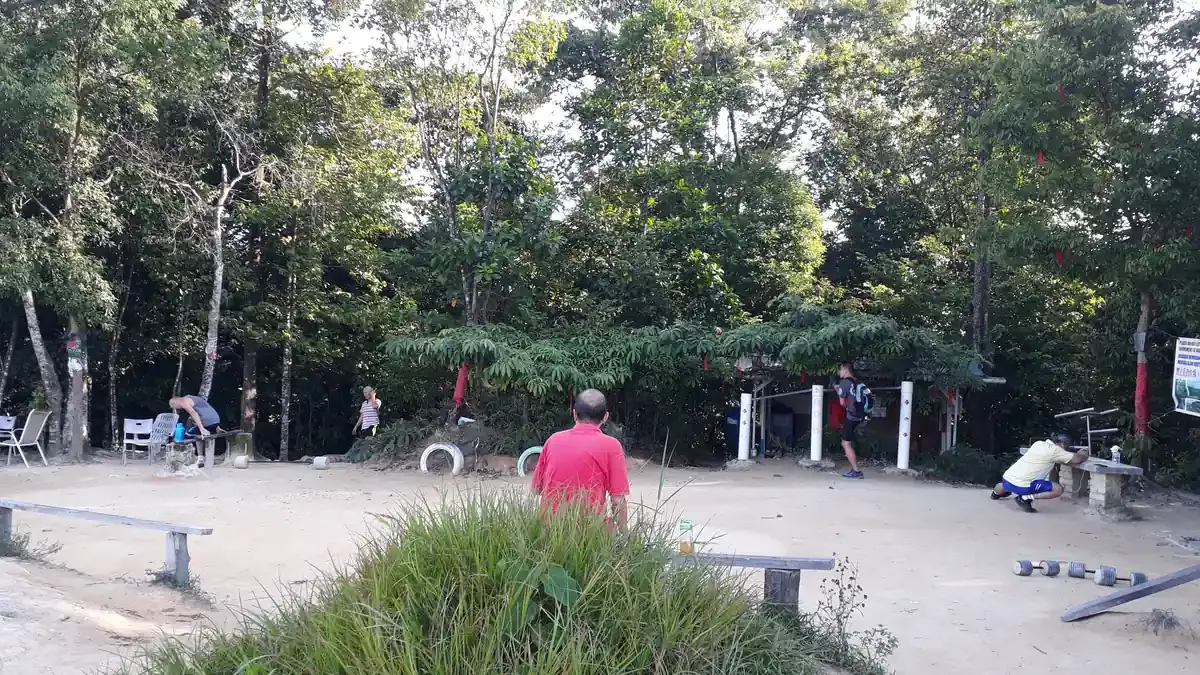
The true joy of using the Sri Bintang Trail is observing all the ways its usage has been adapted by users. Besides hiking, there are makeshift gyms for strength training, community-led aerobic classes, reflexology corners, ‘cafe’ rest stops and even plots for planting edibles.
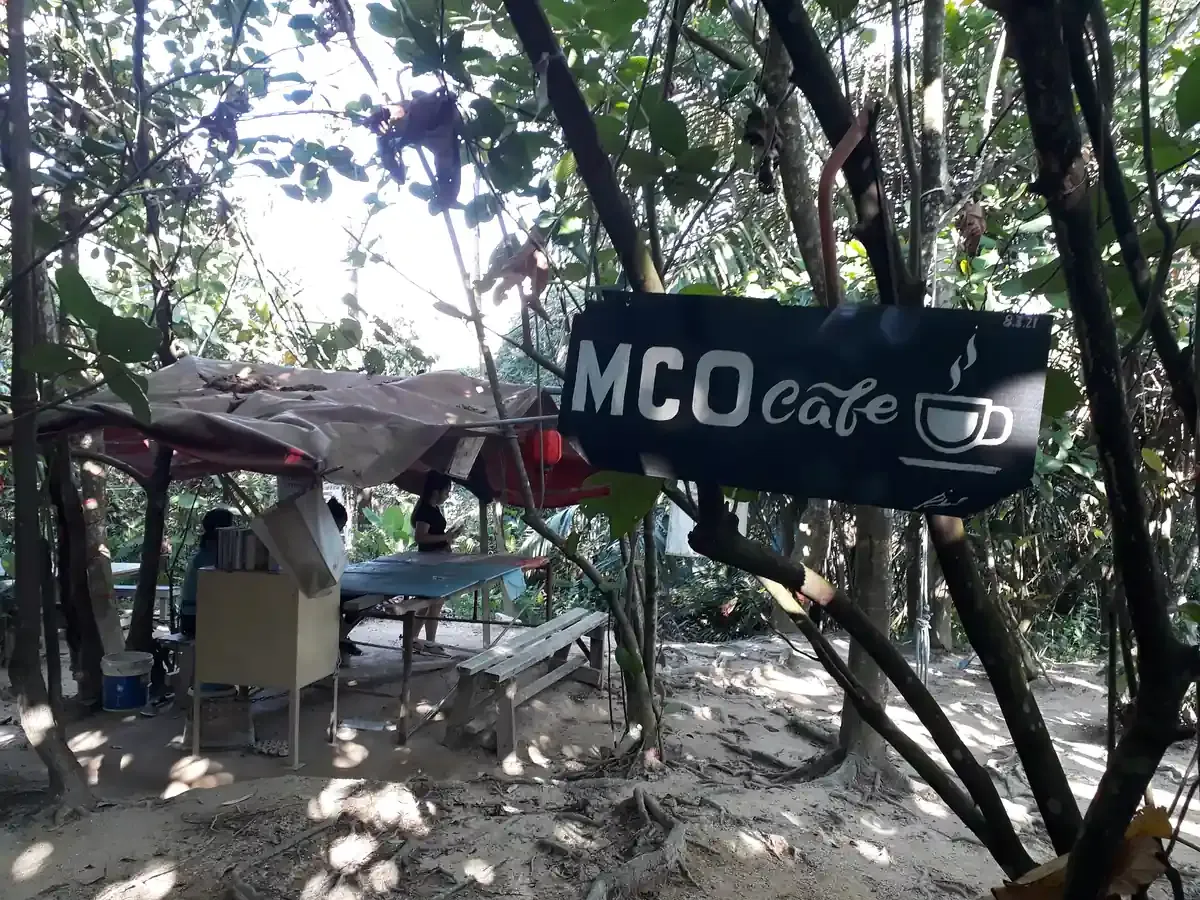
Do people feel welcomed here?
The Sociability factor of the trail is high, with the majority of hikers greeting each other as they pass and giving directions to those who are lost. The various rest areas and look-out points littered with make-shift gym equipment make it easy to strike up conversation with others. It’s a place for groups to hike together, individual hikers to connect with others, and non-dog-owners to fawn over other people’s pets (read more about the role of pets as social icebreakers)!
In conclusion
The Sri Bintang Trail is a strong example of a placemaking win. The only downside is its lack of access via public transport or alternative modes of transport (aside from private vehicles). This is an opportunity for local authorities or the private sector to support and build upon what the community has already organically created.
Places like this highlight the need to engage all levels of society in crafting a liveable and inclusive city.
More posts:
5 December 2024
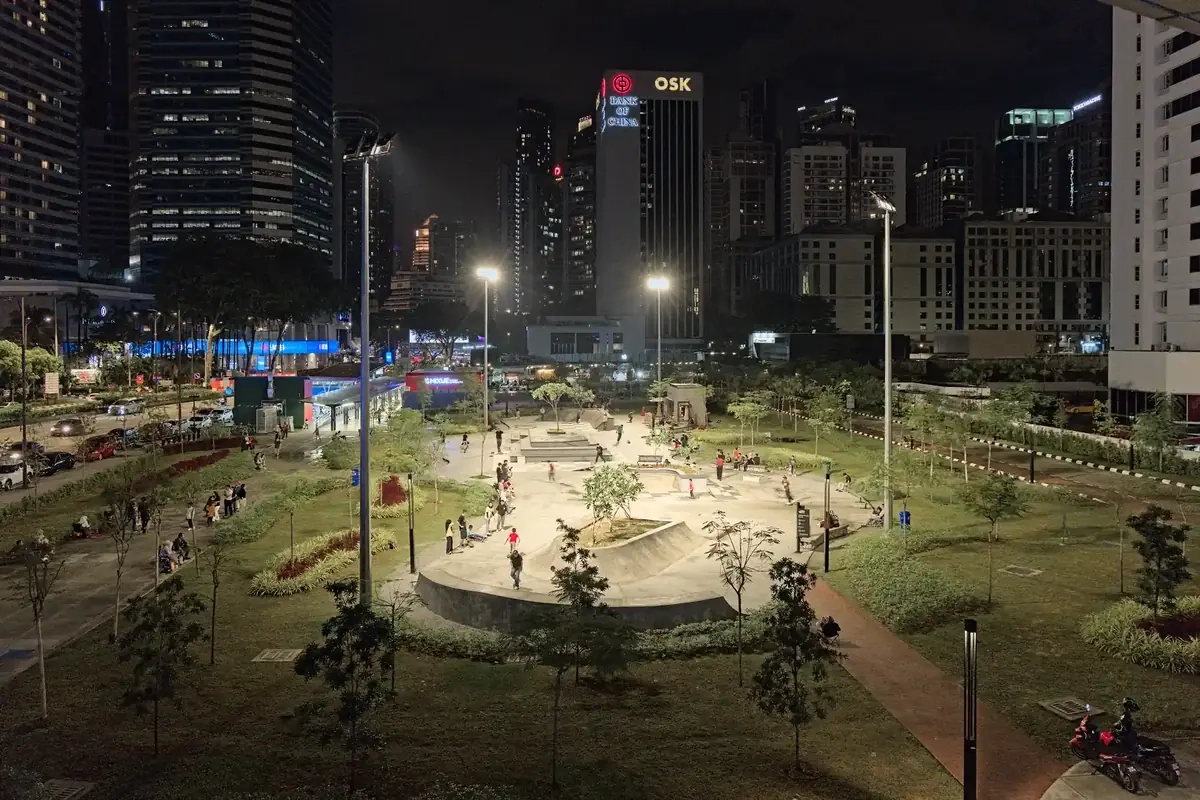
What Skateboarders Can Teach Us About the Future of MRT
Skate plaza at Ampang Park MRT illustrates vibrant placemaking reshaping the future of public transit hubs.
Read More →
4 September 2024
How Community Engagement Breathed New Life into an Underused Sports Facility
Community engagement revives Subang Ria’s abandoned courts, turning them into a vibrant, multi‑use hub.
Read More →
7 July 2024
A Placemaker's Guide to Running Town Halls that Actually Matter
Practical guide to planning, running, and following up on town halls that build trust and drive meaningful placemaking outcomes.
Read More →