Place-Based Education: Small Steps Out of the Classroom
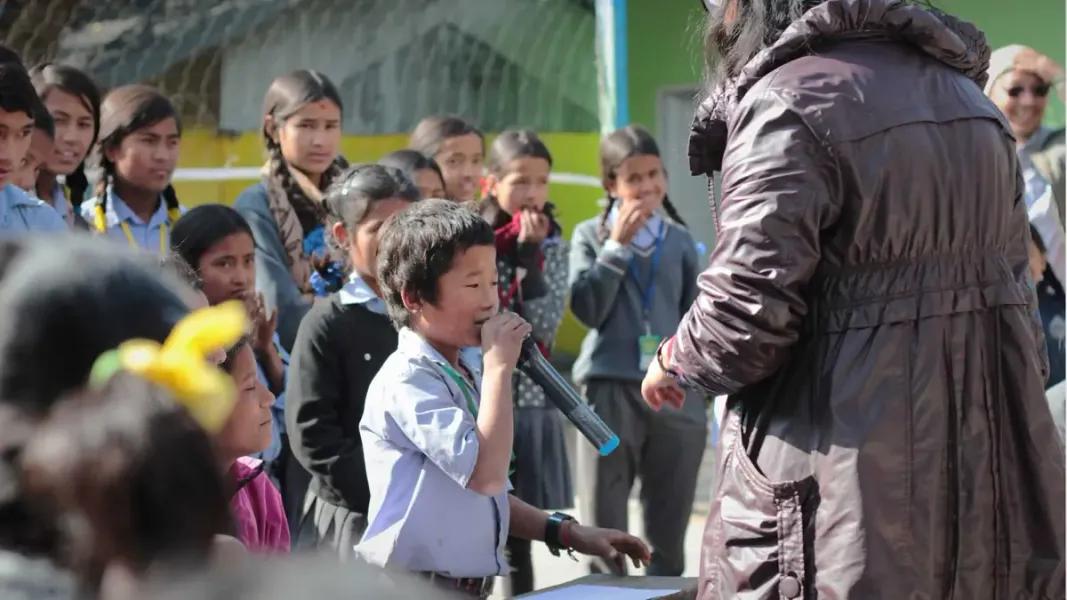 Photos by Adeline Chua, Jalan Maharjan
 About the Workshop
In December 2018, with the cooperation of Teach for Nepal’s Leadership Development Manager, Jalan Maharjan, I conducted an introductory workshop on Place-Based Learning (sometimes known as Place-Based Education) with 13 fellows teaching in the Sindhupalchok district.
Place-Based Learning is a method of teaching and learning that helps students to learn and apply content and skills in context by:
-
Using a real space with real people and real challenges
-
Analysing issues, thinking critically and making decisions
-
Interacting with their environment/community
-
Making connections between self, community and environment
After two school visits and a discussion with Jalan, I ran a half-day workshop adapted from Arts-ED’s teacher training module to suit the needs of the Sindhupalchok schools.
Methods Used
Teachers were introduced to approaches used in Place-Based Learning such as using real issues and real communities to apply concepts learned in classrooms. They also learned about what elements and processes are involved in a Place-Based Learning project.
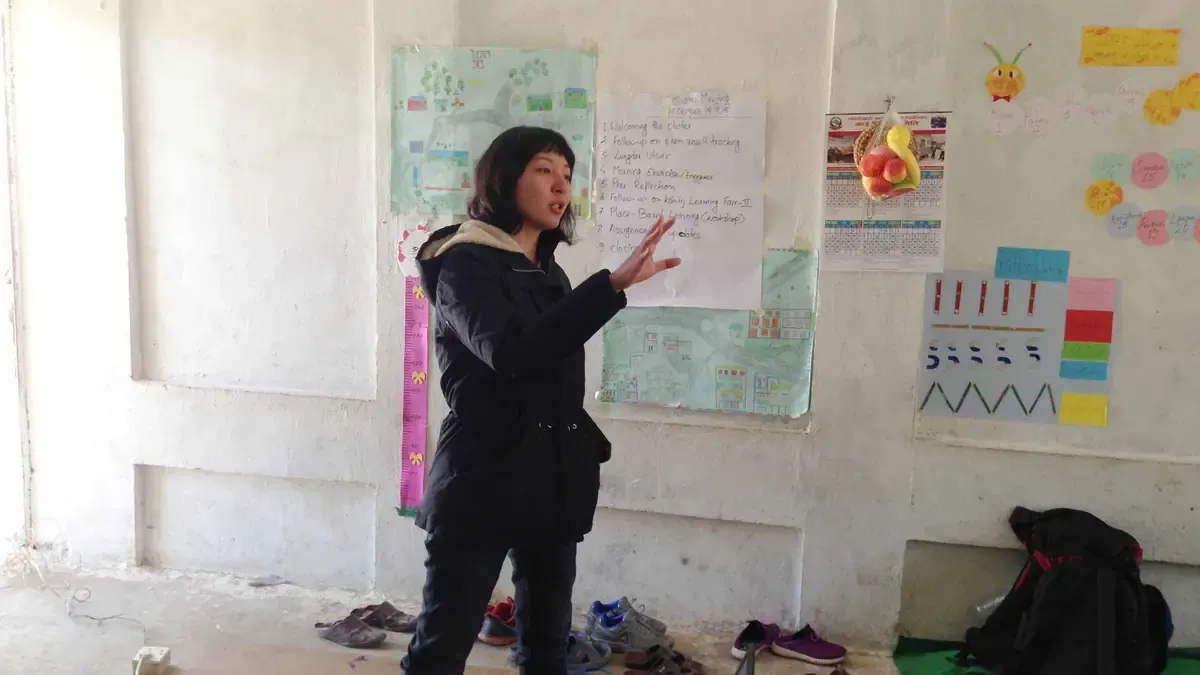
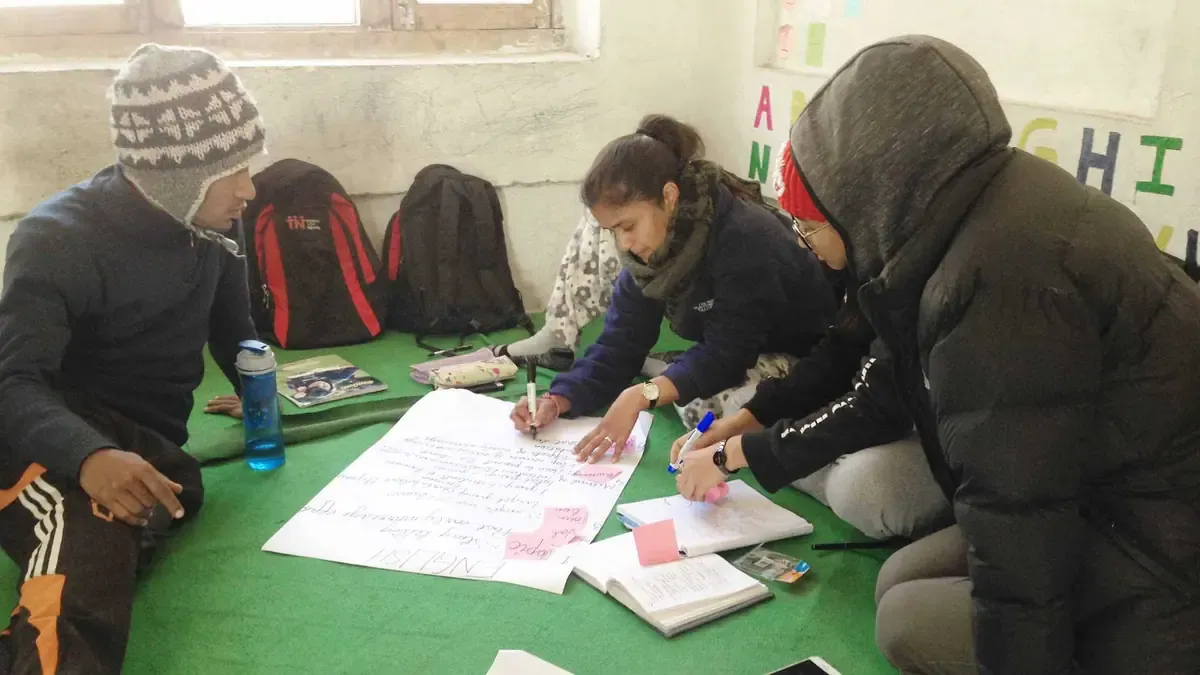
Teachers were asked to pick a topic within their school syllabus and relate it to a real-life issue from their communities. They then had to come up with ways to Engage students and facilitate their Critical Reflection. Their group presentation would list out how data would be collected, visualised and analysed by their students.
Outcomes Produced
Teachers were grouped by subjects they taught and these were the ideas they came up with:
-
English teachers wanted to apply storytelling techniques to explore the effects of early marriage in the community.
-
Science teachers wanted to relate the chemical composition of plastic to the issue of plastic waste management. Since there is no garbage collection system in their area, plastic trash is usually burned.
-
Math teachers wanted to teach students to read statistics by getting them to study their electric bills, also raising awareness about the misuse and over-consumption of electricity.
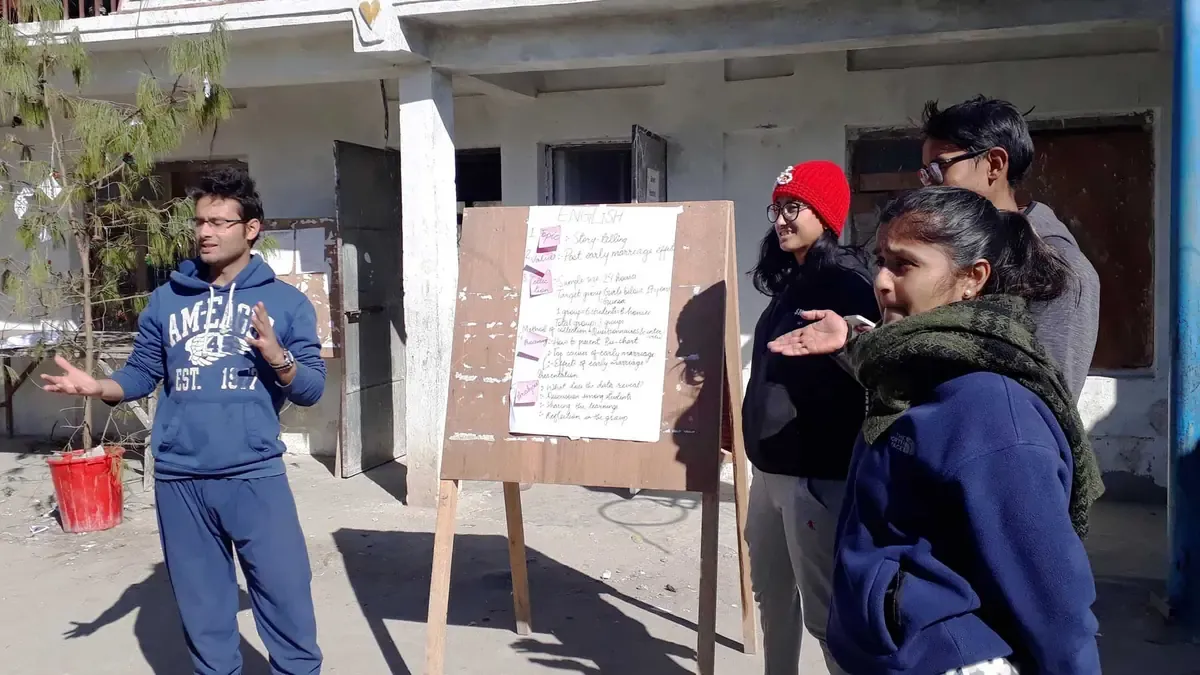
In their feedback forms, 85% of the teachers said they could see themselves carrying out small scale Place-Based Learning projects within their own subjects. Their Leadership Development Manager also expressed keen interest to incorporate this method into pre-service training for Teach for Nepal fellows.
UPDATE: Teachers from this workshop went on to grow their learning by developing an interschool STEAM program involving students from 5 public schools who produced prototypes addressing productivity, health and safety issues. I have provided remote coaching to the lead of this project in the early stages but they have been operating very independently. Encouragingly, this project remains ongoing through the COVID-19 pandemic.

For more information about Arts-ED’s Place-Based Learning teacher training module, leave a message here.
More posts:
5 December 2024
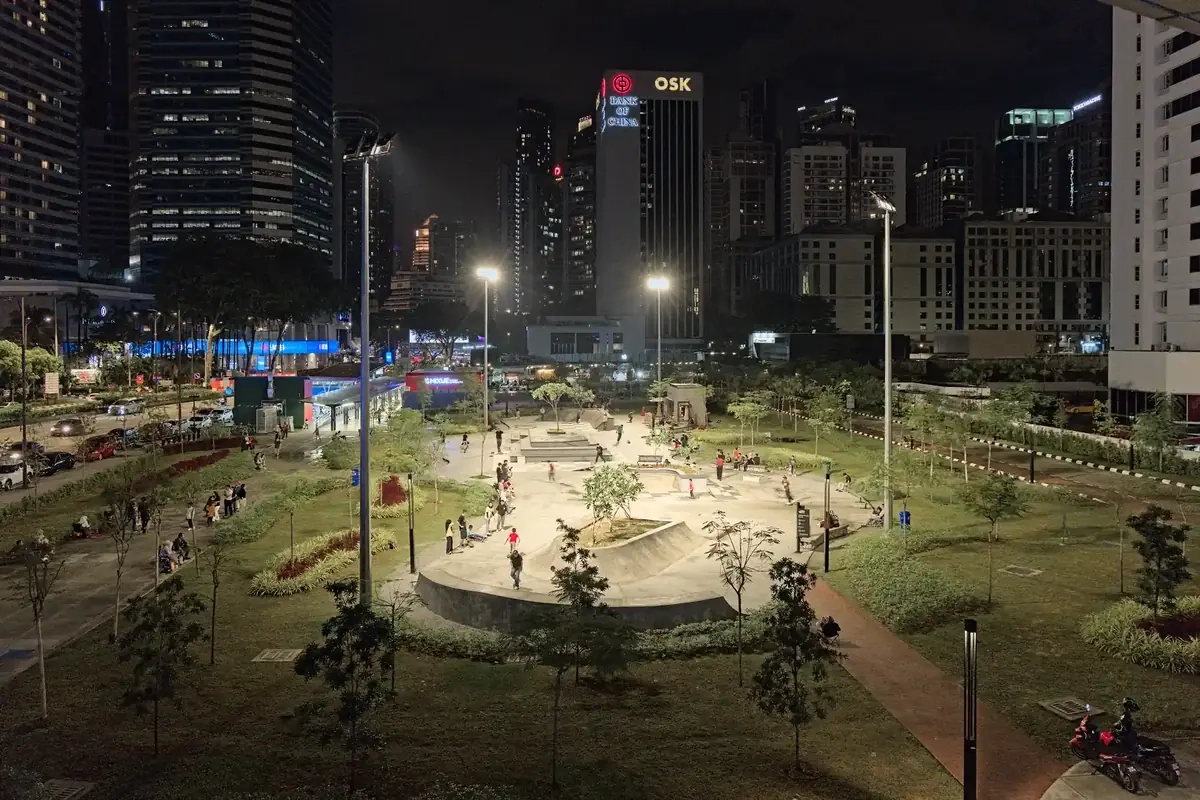
What Skateboarders Can Teach Us About the Future of MRT
Skate plaza at Ampang Park MRT illustrates vibrant placemaking reshaping the future of public transit hubs.
Read More →
4 September 2024
How Community Engagement Breathed New Life into an Underused Sports Facility
Community engagement revives Subang Ria’s abandoned courts, turning them into a vibrant, multi‑use hub.
Read More →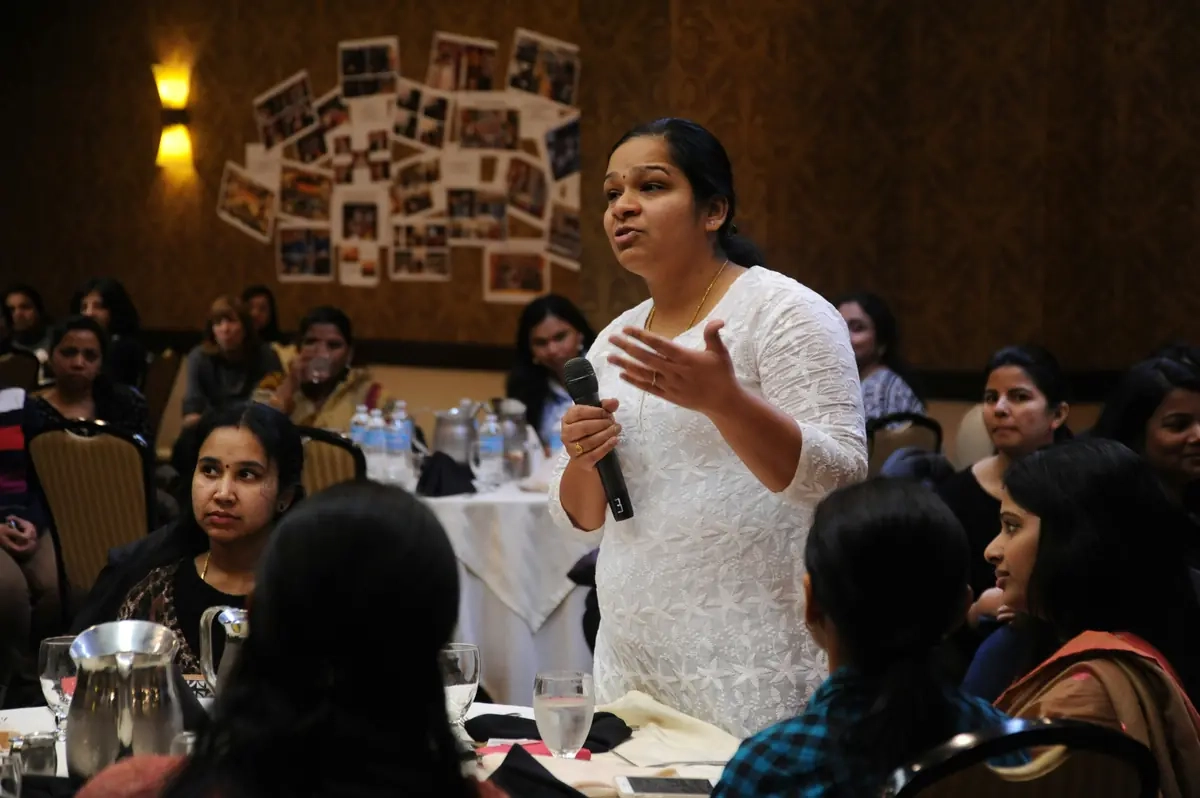
7 July 2024
A Placemaker's Guide to Running Town Halls that Actually Matter
Practical guide to planning, running, and following up on town halls that build trust and drive meaningful placemaking outcomes.
Read More →