How Community Engagement Breathed New Life into an Underused Sports Facility
 Photos by Adeline Chua
 With the power of placemaking, old futsal and tennis courts finally find a second life as a lively community hub at Subang Ria Park. We dive deeper into how community engagement impacted the success of the project.
Stakeholder engagement as a foundation
When a place is being designed, feedback from stakeholders and community is oftentimes gathered too late into the process. When this happens, we have to rely on interventions that are band aids to a building design that doesn’t fit people’s actual needs. However, when consultation is done early, designers start off well informed of how people want to use a space, opening possibilities for truly user-focused designs.
We will look at a case study of PARC, a project that aimed to include stakeholder engagement in its design process right from the start.
In 2021, Sime Darby Property approached Epic Communities, (part of EPIC, a social enterprise that seeks to create impact through community participation) to turn old futsal and tennis courts in the existing Subang Ria Park into a creative community hub. Known today as PARC, the hub is lively and multi-function place serving the needs of its community. ANTARA Lab was engaged by Epic Communities to support placemaking efforts during the project’s early stages. This involved site profiling and leading the initial stakeholder engagement efforts.
Project Background
Subang Ria Park plays an integral role within the residential community of Subang Jaya. It has served the residents since the 1980s as a place for recreation, with many different facilities taking up residence in the park over the years.
The aforementioned futsal and tennis courts, clearly past their heyday, are an example of how the park’s facilities did not evolve in tandem with the changing landscape of needs and resources.
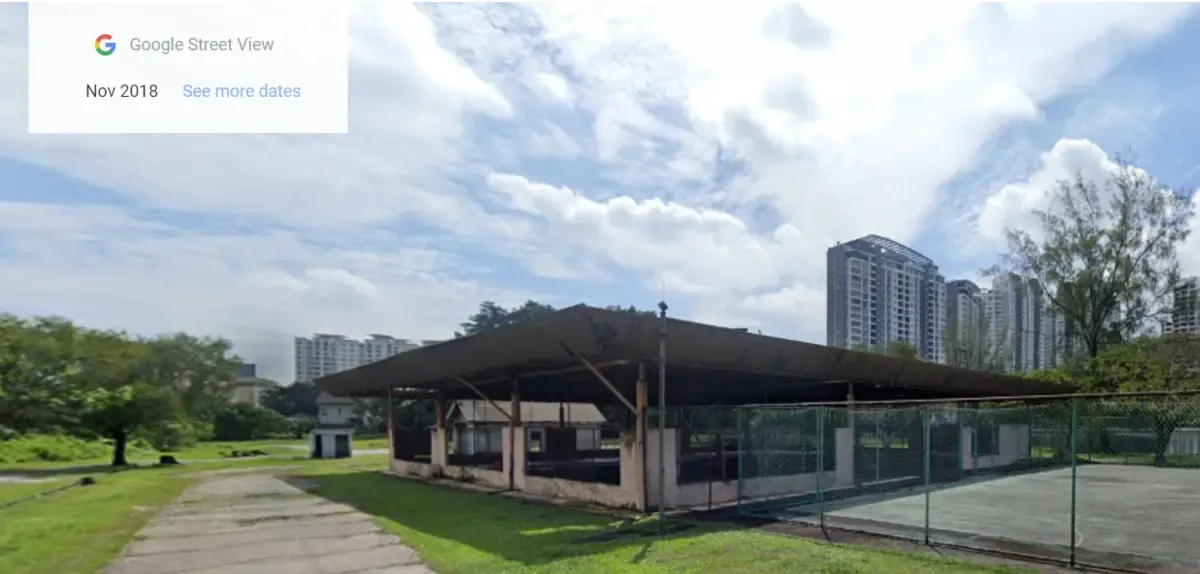
View of the old futsal and tennis courts before the upgrade (Google Street View at Nov 2018).
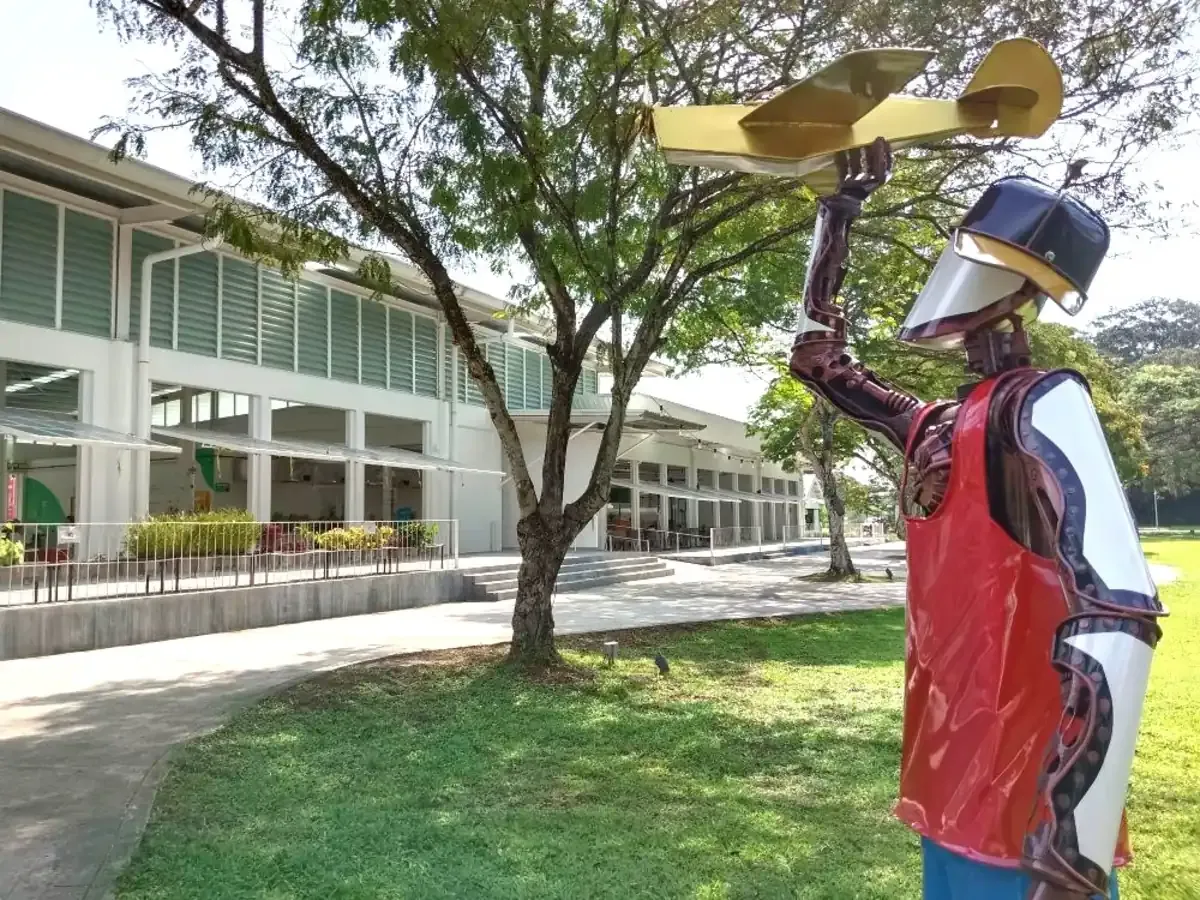
Today, it has been converted into a creative community hub by EPIC, featuring multipurpose spaces, kiosks for rent, and public art.
Understanding the site
We first got to work by preparing a Site Profile. This involved studying all facets of the site: its social, economical and environmental significance to the wider Subang Jaya area. These efforts, layered on top of basic architectural, landscape and access studies conducted by the technical team, informed and prepared us for our interactions with stakeholders.
Site profiling done by a placemaking consultant will include literature review, desktop research, onsite observations, community surveys and dialogues with stakeholders, resulting in insights on the park’s historic and current significance, user behaviour, vulnerabilities, and obstacles, as well as stakeholder ecosystems and their immediate and potential synergy with the site.
Having the Site Profile done at an early stage of the development process, allows the built environment’s design to be informed by insights gained from a holistic understanding of the site. This brings many benefits, and we will go over them in the sections below.
Risk reduction
Using a placemaking approach, the site was understood holistically, using various sources of data. This allowed us to assess our initial vision of the upgrade of the community hub against community needs, stakeholder concerns, and park-user behavioural patterns.
Not only was it crucial to understand the needs of current users, we needed to understand the needs of potential users as well – people who could be using the space but have not yet done so. Why aren’t they doing so? What can we do to give access, attract, or welcome them?
Learning about all the above not only helps developers make early stage decisions that are money and time-saving. Decisions informed by data will reduce the risk of introducing something new that does not align to interests and needs of users, or does not address the obstacles that prevent them from using a place.
Enhance resource allocation
Incorporating site profiling and stakeholder consultation in the early stage will allow for optimised decision making around resources, ensuring that they are used effectively and efficiently. Developers can use insights gained to identify matters that need to be prioritised and concentrate their efforts and resources there.
Although the main development was the creative community hub, our engagements with stakeholders revealed other issues that needed to be addressed as well. This included some key maintenance around the park and traffic flow and parking in the area.
Our engagements also revealed community members, businesses and institutions in the neighbourhood that were the most aligned and open to collaboration with PARC. Through our engagements, they got to know about the project and were able to show their interest in playing a role in its making. The team could then focus on building those initial relationships instead of knocking indiscriminately on many doors in hopes of partnership and collaboration.
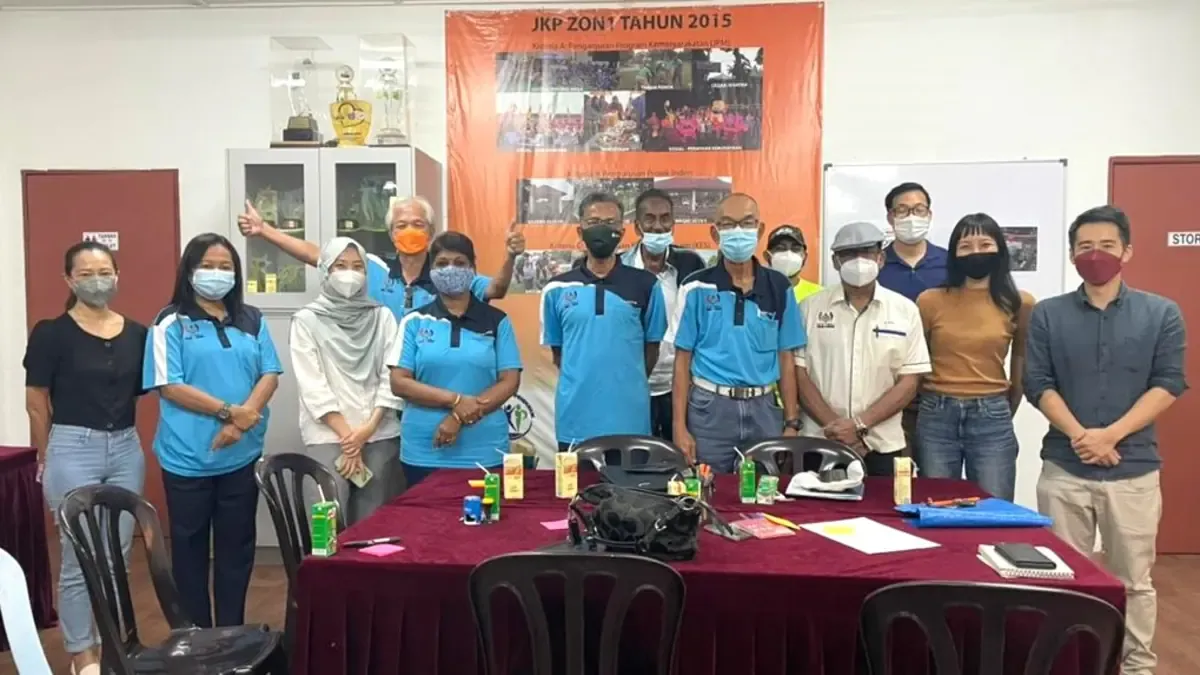 Stakeholder engagement with key opinion leaders facilitated by Epic Communities and ANTARA Lab, with Sime Darby Property in attendance.
Building good brand preception and reputation
Engaging with stakeholders and the public is a clear signal from the developers that they are serious about community participation and validation. It shows the developer’s willingness to go beyond lip service by actively consulting –in the case of PARC–local leaders, frequent park users, and businesses in the area for their opinions.
Although past relations between residents and developers have not been rosy, early and sincere engagement, with a strong active presence by the developer in collaboration with placemaking consultants, was key in the successful upgrading of Subang Ria park.
Multiple facilitated sessions that aimed to collect data and then communicate how it influenced upgrade plans were carried out, forming trust and building a relationship with local council, resident associations, and other key opinion leaders within the community.
The pay off
Today, the old tennis and futsal courts are now an airy sustainably-constructed, multi-use space for the community, a testament to the intentional design by the Epic Communities team, with the architectural upgrades led by DTLM Architects. PARC plays host to flexible spaces of various capacities enabling remote working, relaxation, learning and events.
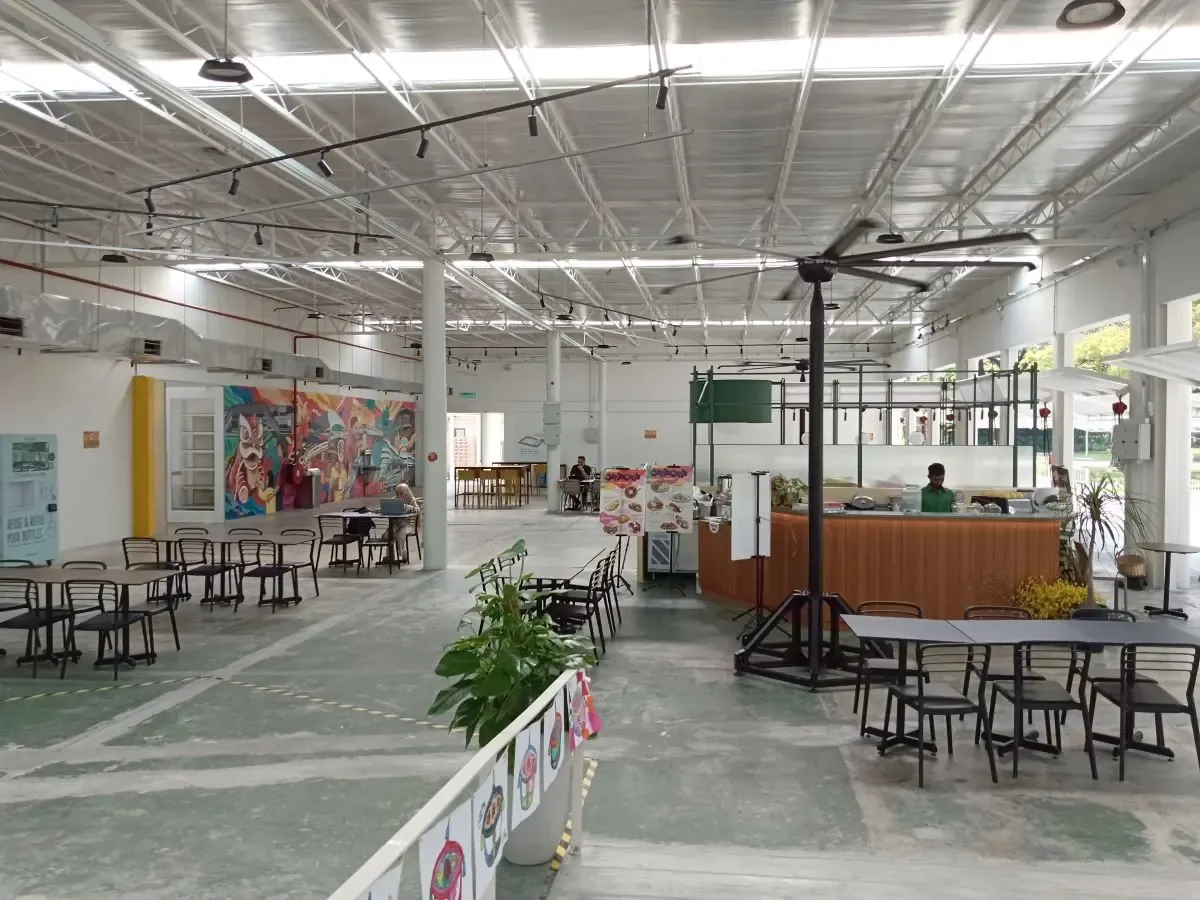 An open floor plan with mobile and lightweight furniture allows for the space to take on various permutations according to what is needed for the time.
On average, there are 10 events running monthly, a mix of largely public programs with a sprinkle of private ones. Examples include group workouts, kids nature workshops, dance socials, book clubs, wellness talks and many more. To see through the placemaking efforts from the beginning, Sime Darby Property engaged EPIC to manage & curate the space and in-house programming. This was to ensure that early efforts continue to align with the project’s goals of enabling sustainable lifestyles and that social support of the community is fostered.
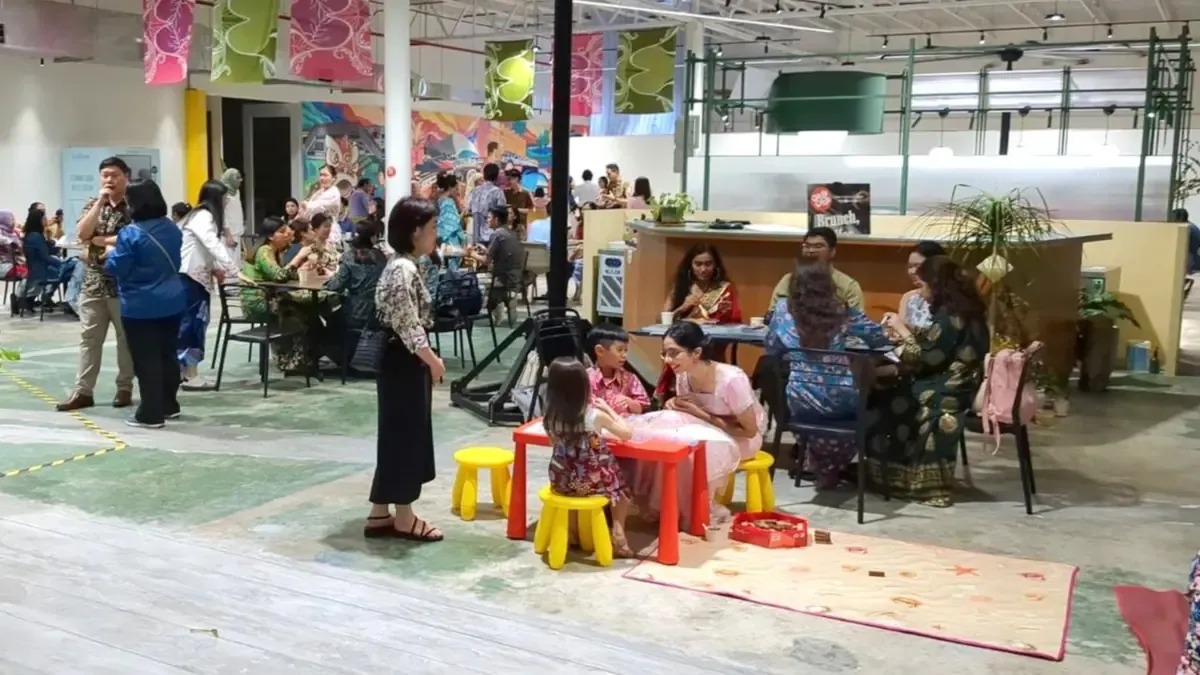 Different movable seating options provide comfortable ways of interaction for all ages. If needed, lighting and air circulation equipment are movable too.
Since its launch, PARC has also attracted four new businesses and a handful of pop-up vendors into the park, bringing in a new lease of life to the area, with an increase of younger park goers now present alongside the old timers. The park has become much more than a jogging trail and occasional dining spot since its upgrade.
As the years pass, it will hopefully continue to evolve as a place for sustainable learning, growth and relationship-building; a well loved park for residents, as well as folks from the wider Subang Jaya area.
More posts:
5 December 2024
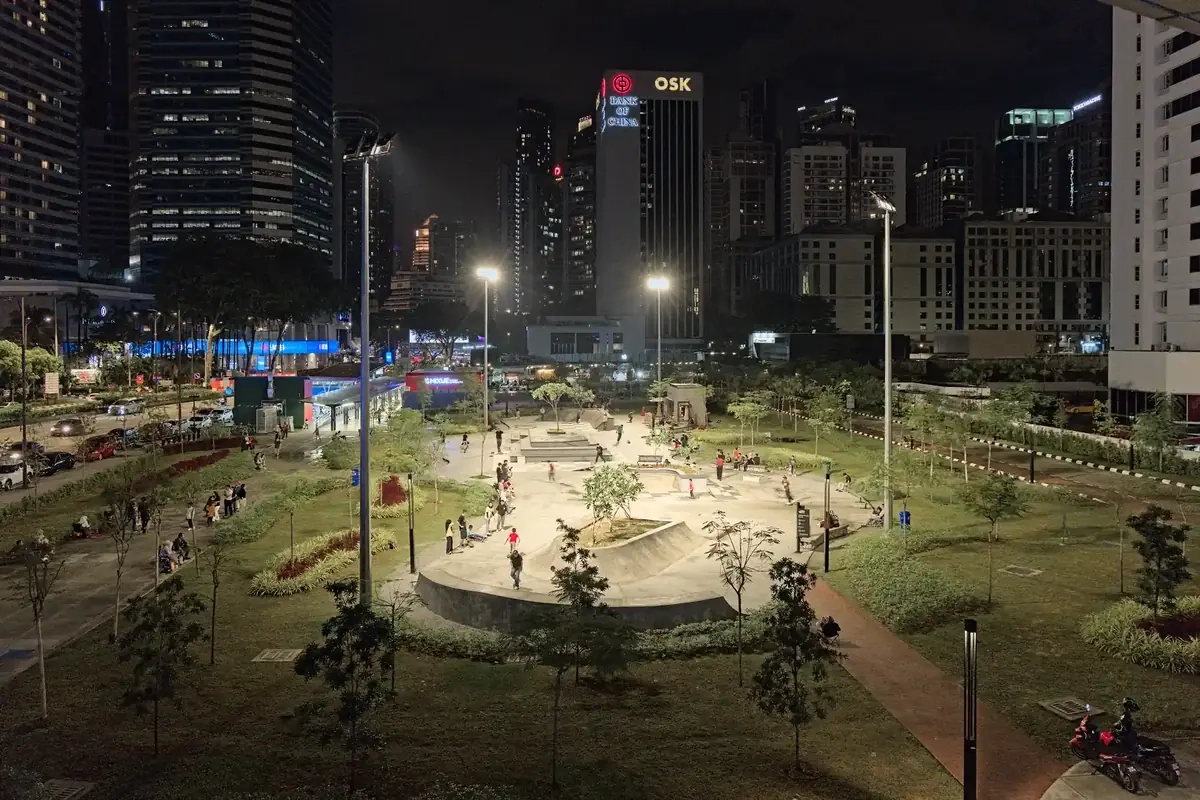
What Skateboarders Can Teach Us About the Future of MRT
Skate plaza at Ampang Park MRT illustrates vibrant placemaking reshaping the future of public transit hubs.
Read More →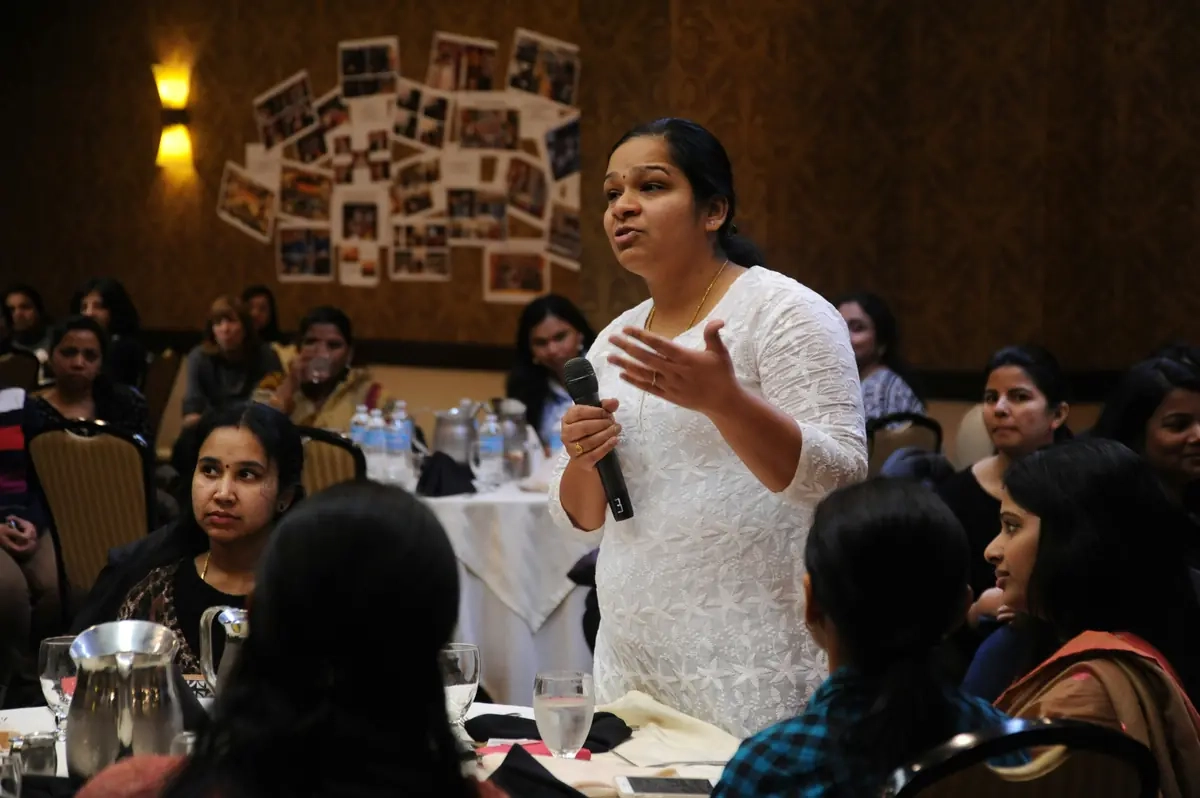
7 July 2024
A Placemaker's Guide to Running Town Halls that Actually Matter
Practical guide to planning, running, and following up on town halls that build trust and drive meaningful placemaking outcomes.
Read More →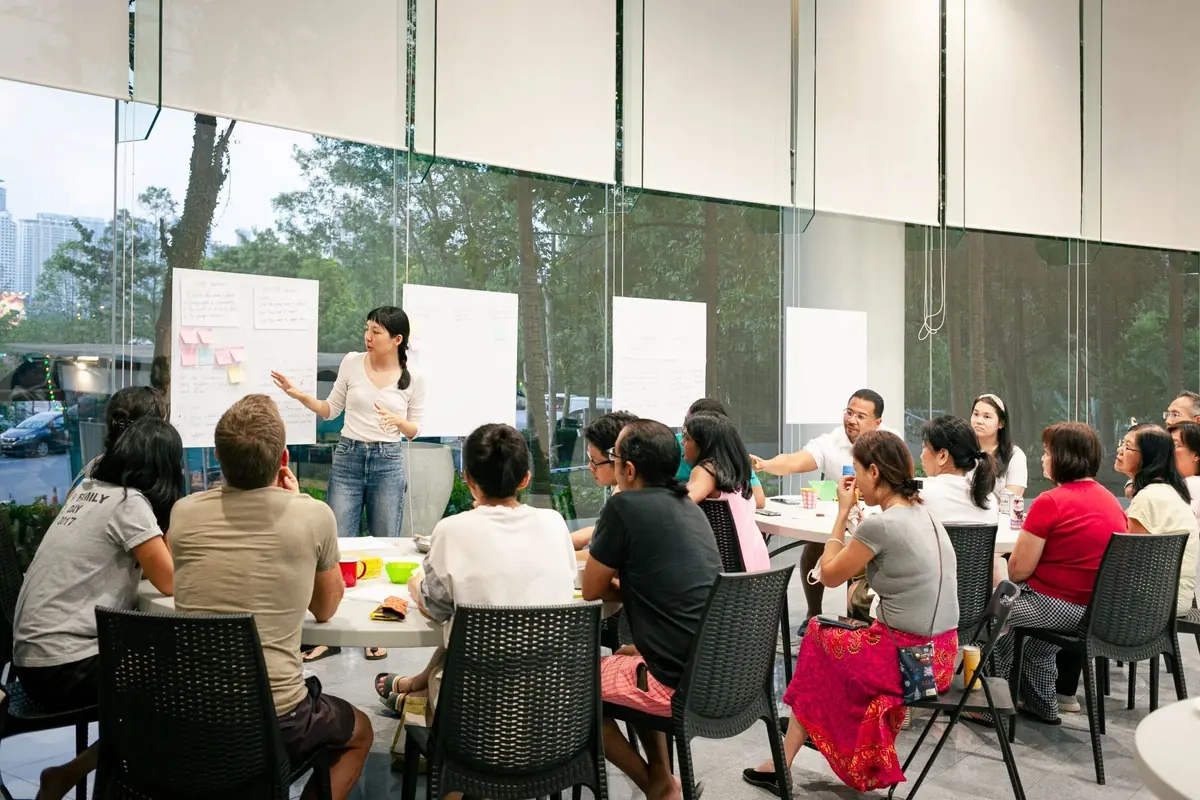
26 March 2024
Looking to Support Non-profit Projects through Placemaking
NGOs and community groups can apply for ANTARA Lab’s placemaking support to revitalise spaces.
Read More →