Better Placemaking: Revising Outdated Vision and Mission
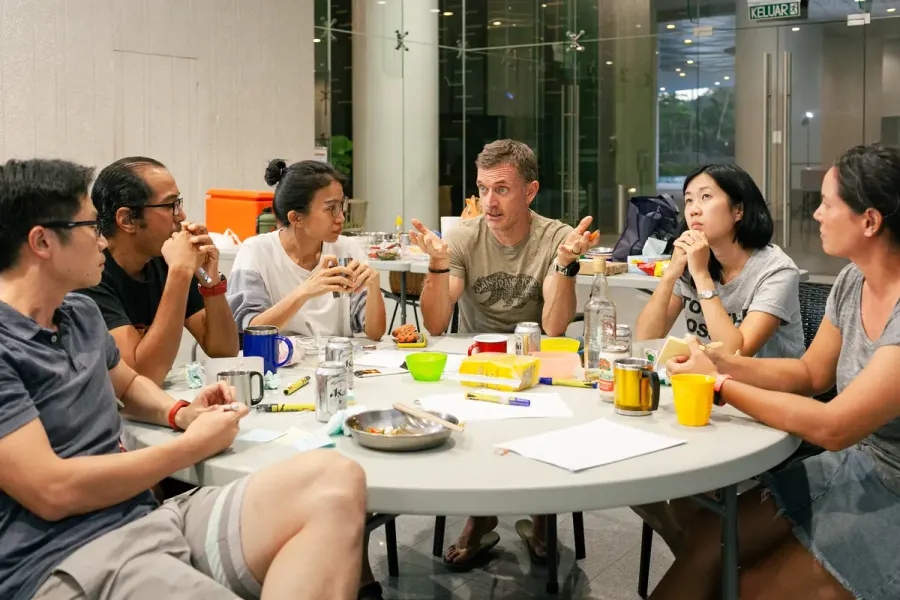 Photos by Vignes Balasingam
 Many factors change during the early stages of community-driven placemaking. As a community comes together to activate a space, it is entirely normal for them to revise their initial vision and mission. They will inevitably discover unknown potential and sometimes have to adjust grand plans to more practical ones. Hartamas Community Garden is one such example.
First Steps
Starting out in 2020 as a response to COVID-19 lockdowns, Hartamas Community Garden (also known popularly as Kebun Komuniti Hartamas) was formed as residents came to realise the importance of food security, relationship to nature and connecting with neighbours.
As the concept of using idle state land to plant edibles was a pioneering one amongst the residents, many aspects of getting the garden up and running were done swiftly and instinctually. Indeed, this is one of the joys of starting grassroot initiatives – more action, less deliberation.
Time to Realign
However, as time passed and the garden’s core group of volunteers stabilised, they began to see the need for a vision and mission that better reflected the direction they wanted to head in. In placemaking, having a shared vision is a crucial step in making sure that people feel a sense of ownership of a place; that their perspectives and desires are taken into consideration in the planning of how a community uses a place.
Being a part of this group of volunteers, ANTARA Lab’s lead consultant Adeline Chua offered to facilitate this review for Hartamas Community Garden. Here were the steps they took to craft their new vision and mission statements:
5 steps to craft a place-based vision and mission
1. Define
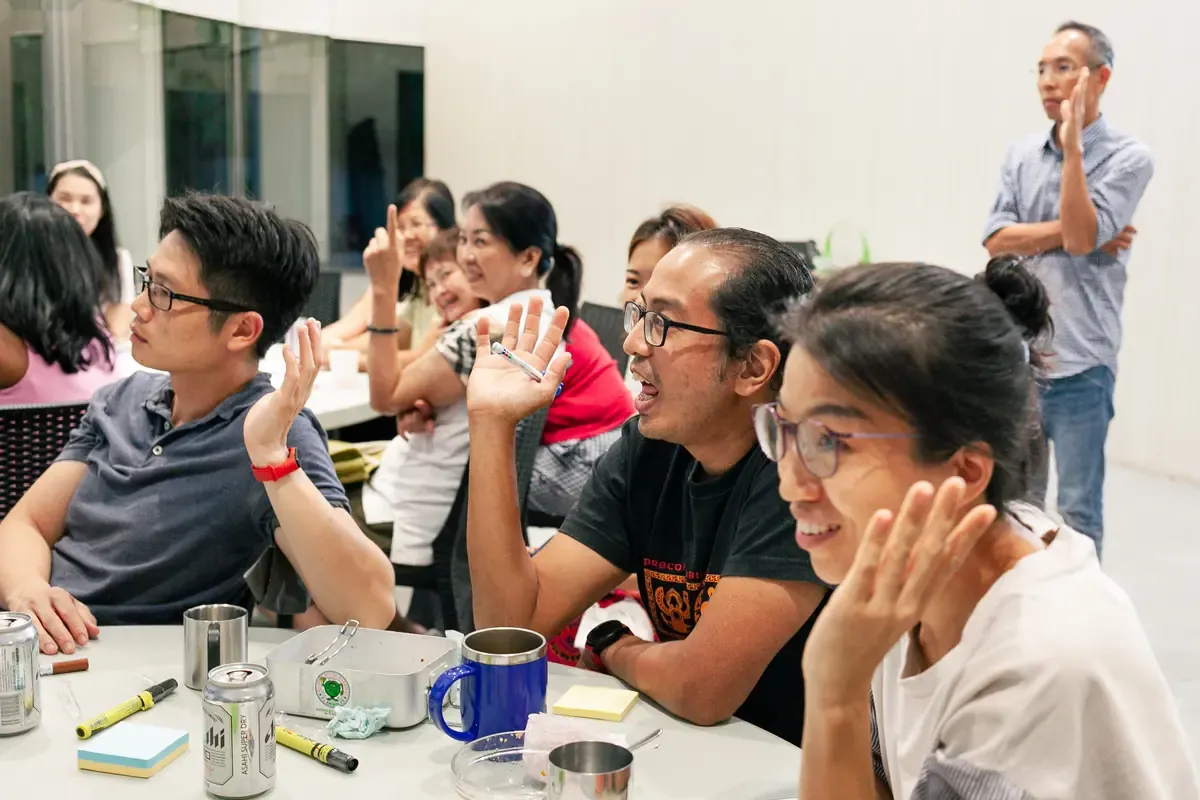
It was important that everyone started on the same first page. In order for a fruitful discussion, all needed to agree on some fundamentals:
-
What is the definition of a vision and mission statement?
-
How are they different from each other?
-
What were they supposed to do?
Only after everyone agreed on a definition for both did they move on to the next step.
2. Review
Based on these definitions, they looked at their current vision and mission. Breaking into small groups, the participants each discussed what changes they wanted to see in their new vision and mission.
-
Did the vision need to be more ambitious, more inspiring?
-
Which of the missions would they like to keep?
-
Which would they want to change?
These notes would serve as guidelines. It is easy to get carried away during brainstorming and these guidelines acted as anchors to the subsequent discussions.
3. Inspire
One key to coming up with lasting vision and mission statements is to be practical, yes, but also have a long term view. These statements need to be inspiring and able to propel the organisation forward in the long run. If a vision can be achieved in one year, it’s probably not ambitious enough.
One way to encourage and inspire is to look at real-life examples. Referencing organisations or companies that have been around for decades is a good way to ignite ideas. It is insightful to see what the vision and mission statements of Disney, Apple or Toyota are.
Tip: another way to inspire is to take participants through a visualisation exercise where they imagine what an ideal future looks, sounds, and feels like.
4. Brainstorm
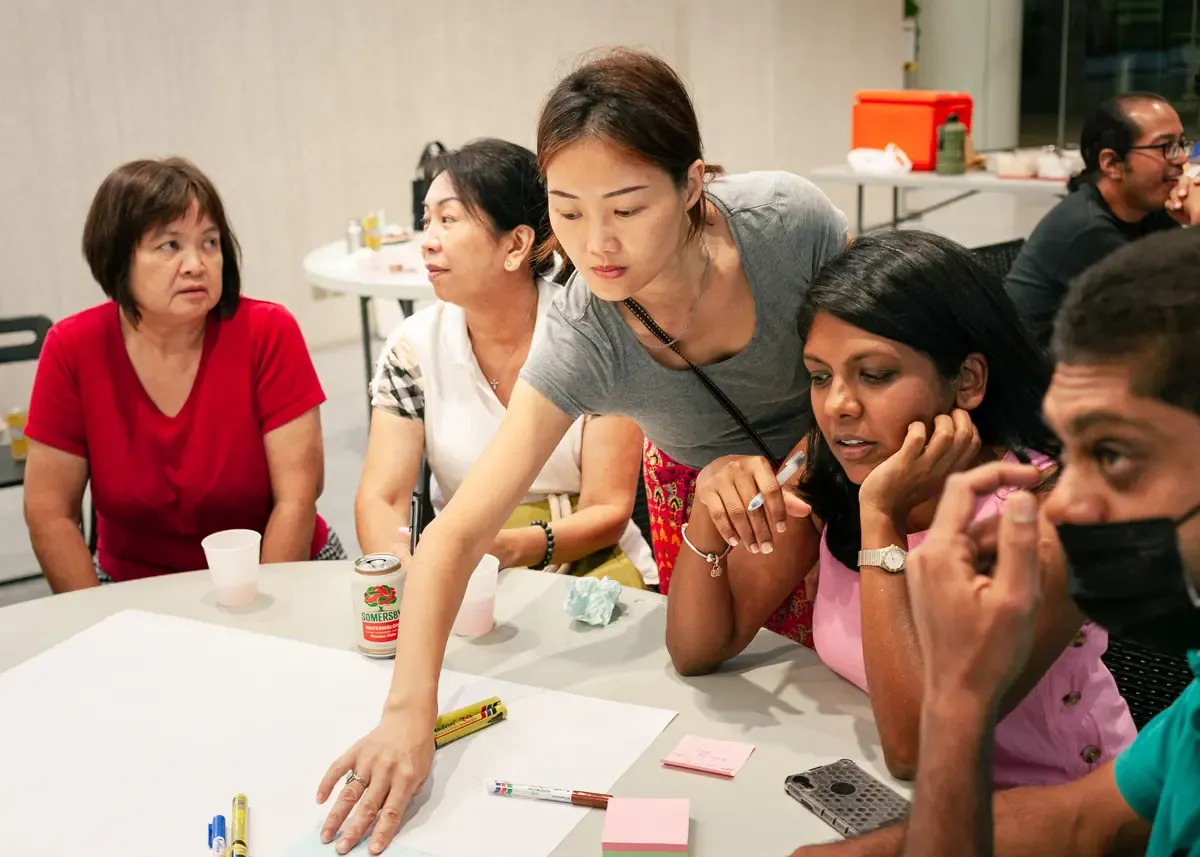
Using specific prompt questions, participants were asked to write down their individual thoughts and then discuss them in small groups, adding on any other comments that arose as they chatted.
The secret to a great brainstorm session is to wrap up effectively. Participants need to hear what others have said and make sense of it as a group. It’s not enough to have a brainstorm that results in 101 great ideas. The facilitator needs to cluster them; revealing dominating patterns, highlighting points that need further attention, building consensus around ideas and suggestions.
5. Interpret
This is the point where everyone is spent from a (hopefully) energetic and highly engaging session. It is then time for the facilitator to brief them on what will happen to the results of the session. Normally, all data generated is documented and brought back for analysis by the facilitator, who then must put on the placemaking consultant hat.
Using certain tools, this data is further processed, analysed and interpreted. The end result is a list of recommendations to the community in the form of a report. In this case, the placemaking consultant came up with a list of possible vision and mission statements, showing clearly the processes taken to arrive at the recommendations.
The community then takes a vote on which statements they would like to adopt, making adjustments as they see fit. The final outcome is reviewed by all who participated in the decision-making process, including the facilitator and/or the placemaking consultant.
Follow Hartamas Community Garden on FB and IG
Photos by Vignes Balasingam
More posts:
5 December 2024
What Skateboarders Can Teach Us About the Future of MRT
Skate plaza at Ampang Park MRT illustrates vibrant placemaking reshaping the future of public transit hubs.
Read More →
4 September 2024
How Community Engagement Breathed New Life into an Underused Sports Facility
Community engagement revives Subang Ria’s abandoned courts, turning them into a vibrant, multi‑use hub.
Read More →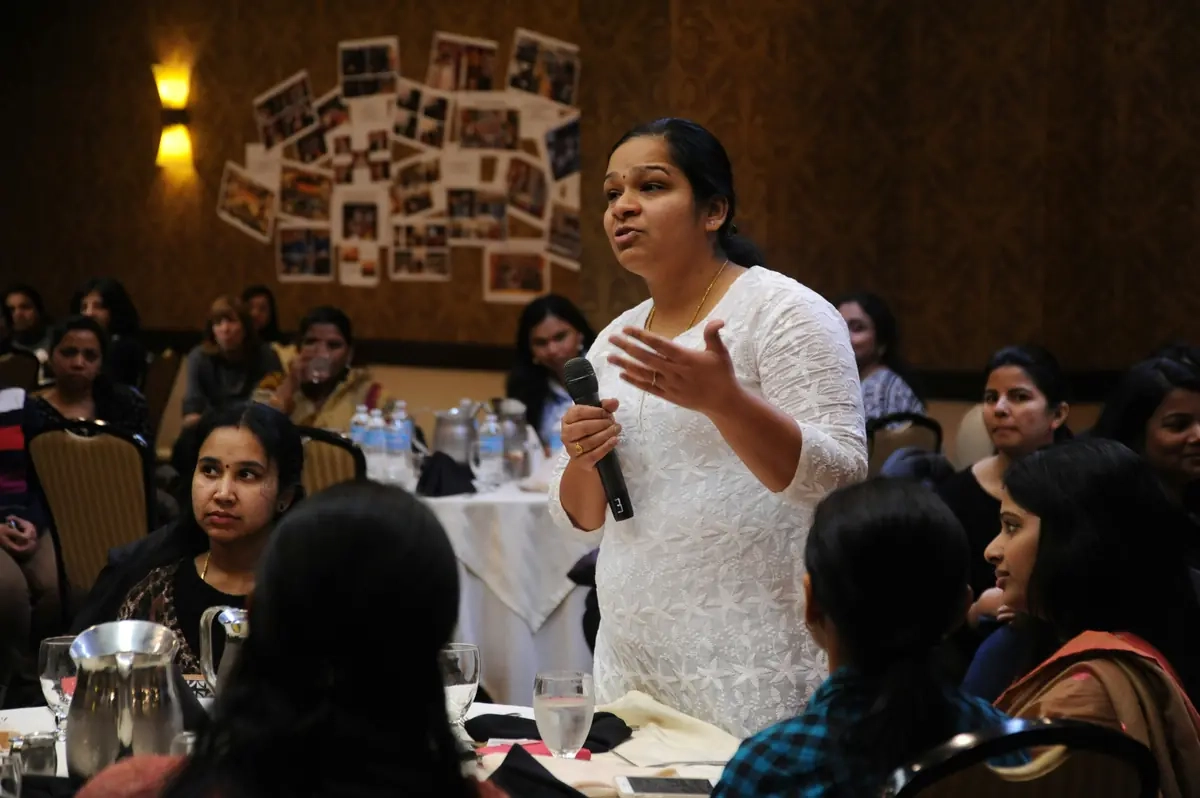
7 July 2024
A Placemaker's Guide to Running Town Halls that Actually Matter
Practical guide to planning, running, and following up on town halls that build trust and drive meaningful placemaking outcomes.
Read More →