Accessing Cultural Values through Food, Craft and Traditional Practices
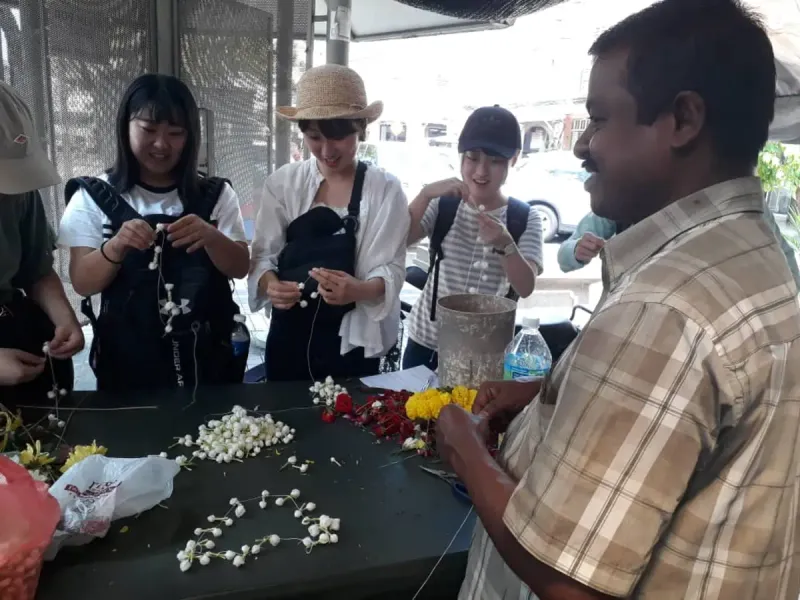 Photos by Adeline Chua, students of Seisen University
 About this Programme
This four-day programme was part of a longer fieldwork programme for a six-person group of liberal arts university students. It was organised by The Pacific Asia Resource Centre Interpeoples’ Cooperation (PARCIC) for Global Citizenship Studies students from Seisen University, Tokyo in August 2019.
They had come to George Town, Penang, a UNESCO World Heritage Site for fieldwork examining the sustainability of cultural tourism. The four-day program acted as an orientation for them – introducing them to the cultural, historical and current issues of Penang (and in a larger context, Malaysia). Although at university level of maturity, the students had limitations with the English language; their levels ranged from upper primary to lower secondary school. The programme was thus also designed to improve their usage of English.
Methods Used
The approach was to give students an experiential learning tour of George Town, engaging them with hands-on activities that unearth the deeper layers of cultural values present in crafts, food and traditional practices of each ethnicity.
This was done through:
1. Orientation to Theme, Topic and Site
Interactive lectures and games to give students a framework to place their daily onsite experiences.
2. Interaction and Documentation in Community
Onsite, students engaged with selected members of the community for an authentic and honest interaction with a local.
3. Reflection and Evaluation
Reflections were conducted daily at the end of the tour. Students compared the similarities and differences between the new culture they experienced with their own. Surface comparisons go deeper with prompt questions. They note their changes in perception.
Each day was spent focused on introducing the students to a particular religion or culture.
Day 1: Indian culture and Hinduism at Little India
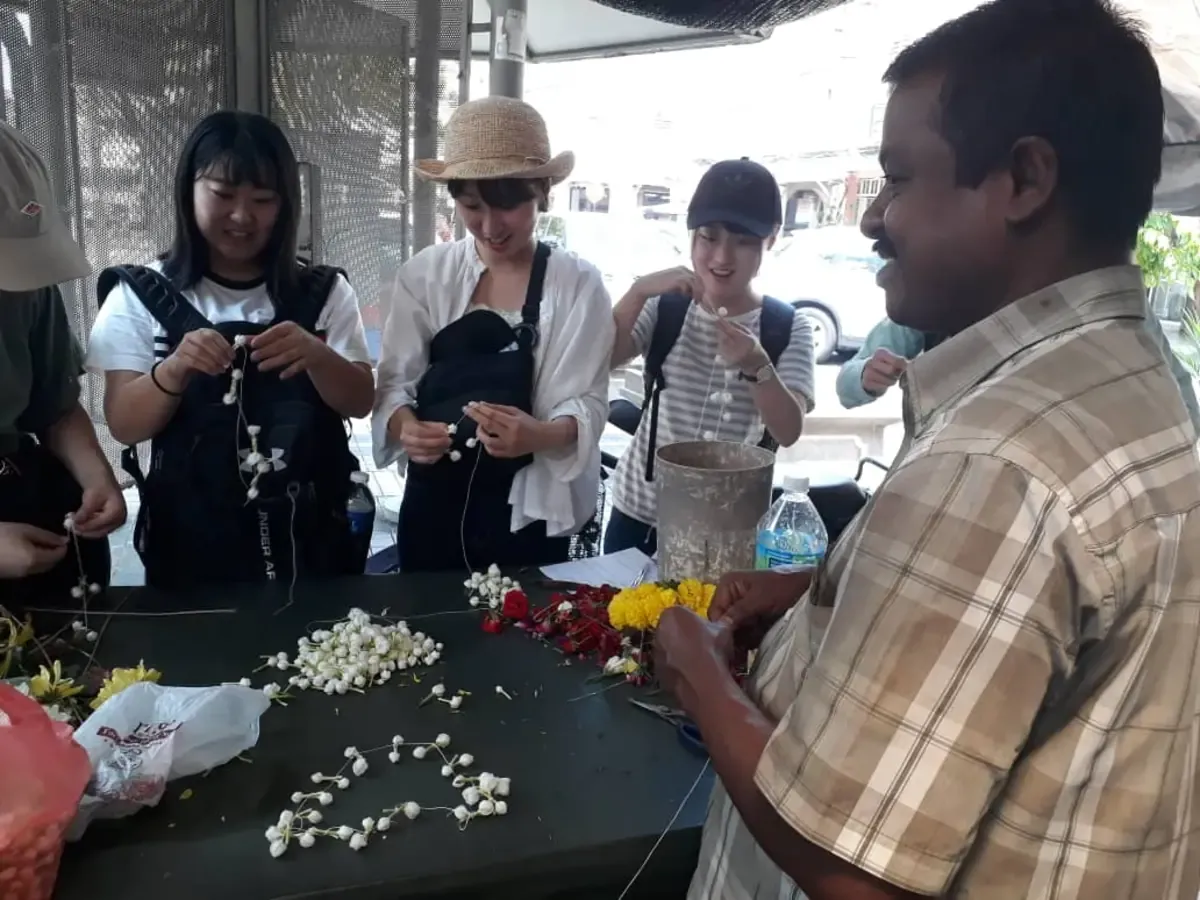
Students learn the significance of flowers in Hindu worship while making their own garlands
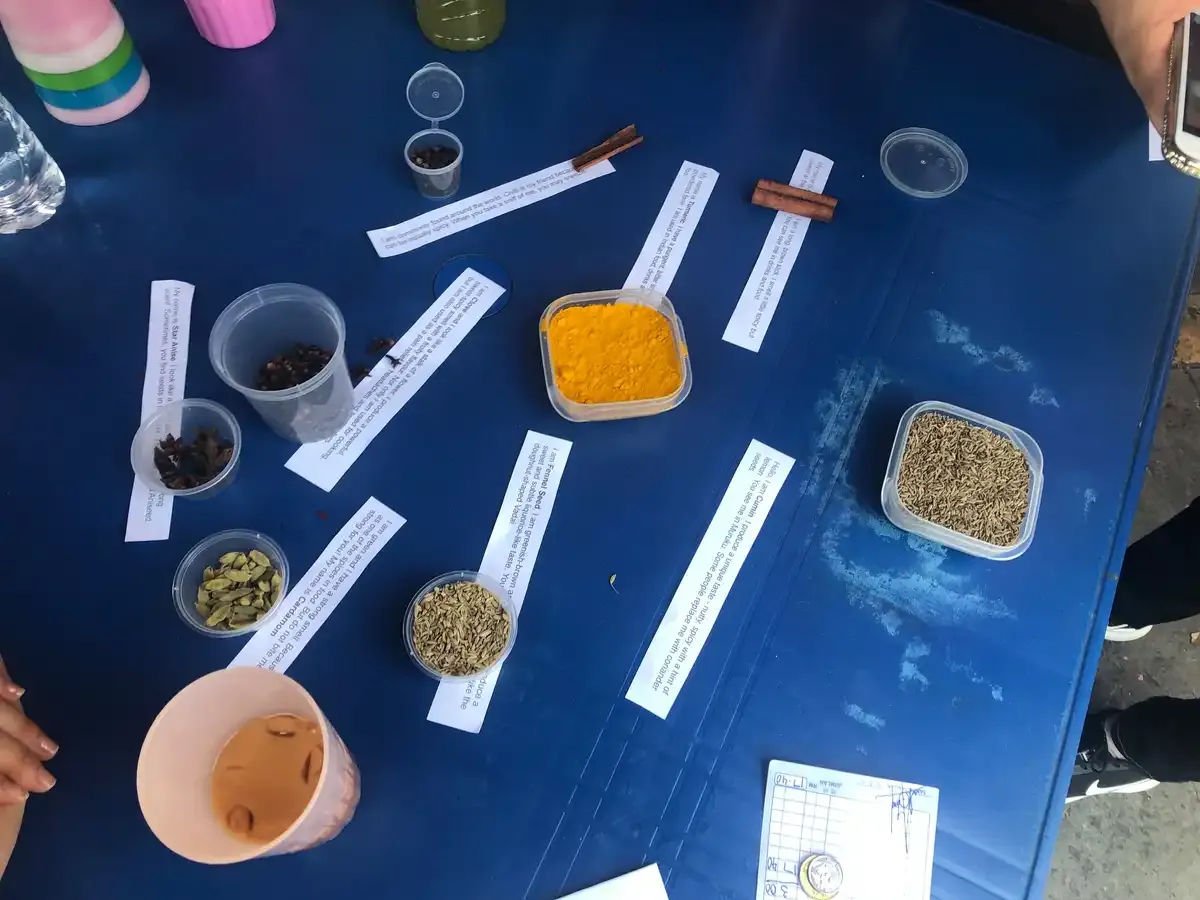
A treasure hunt in Little India introducing students to the historic, culinary and medicinal values of spices.
Day 2: Indian Muslim and Malay Muslim culture at Kapitan Keling Mosque and Acheen Street Mosque
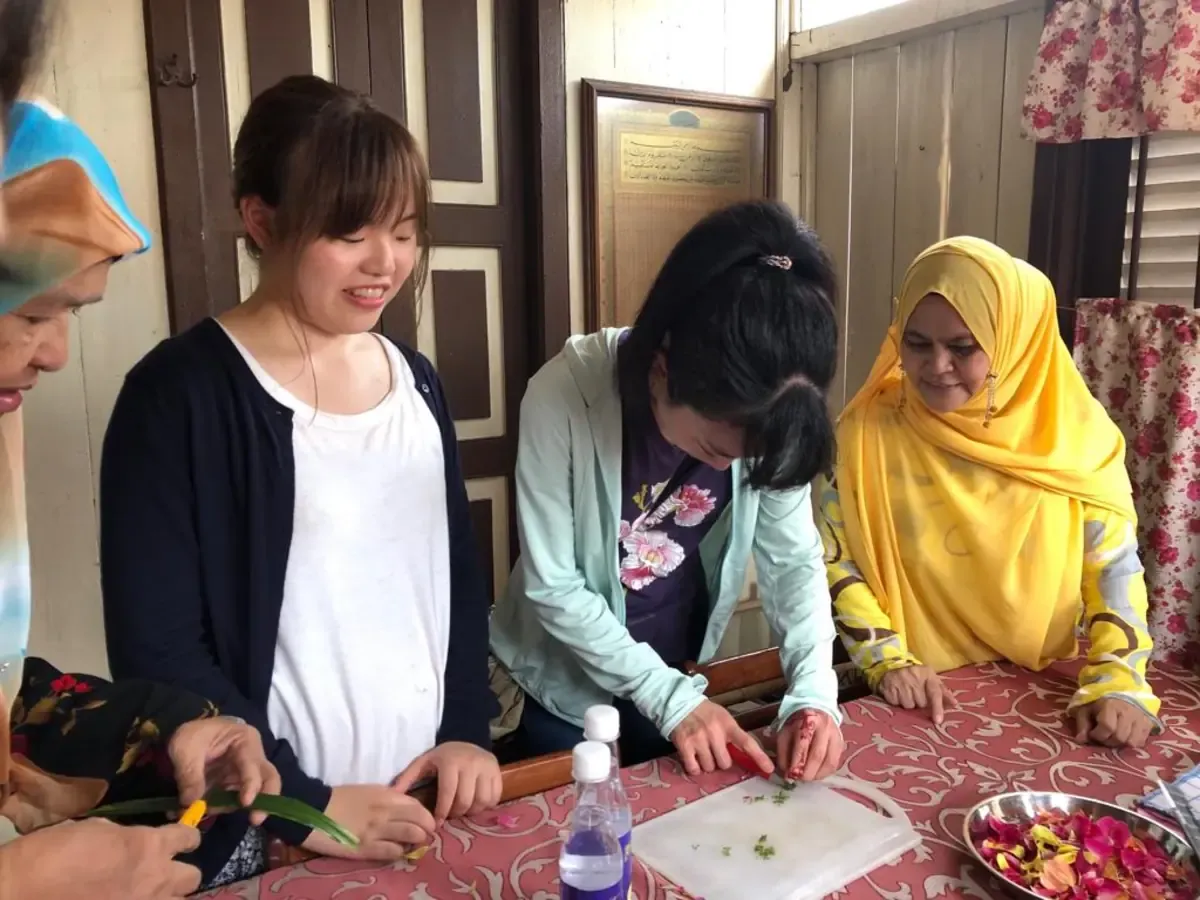
A Malay woman guides students as they make Bunga Rampai, a potpourri door gift usually given out at weddings
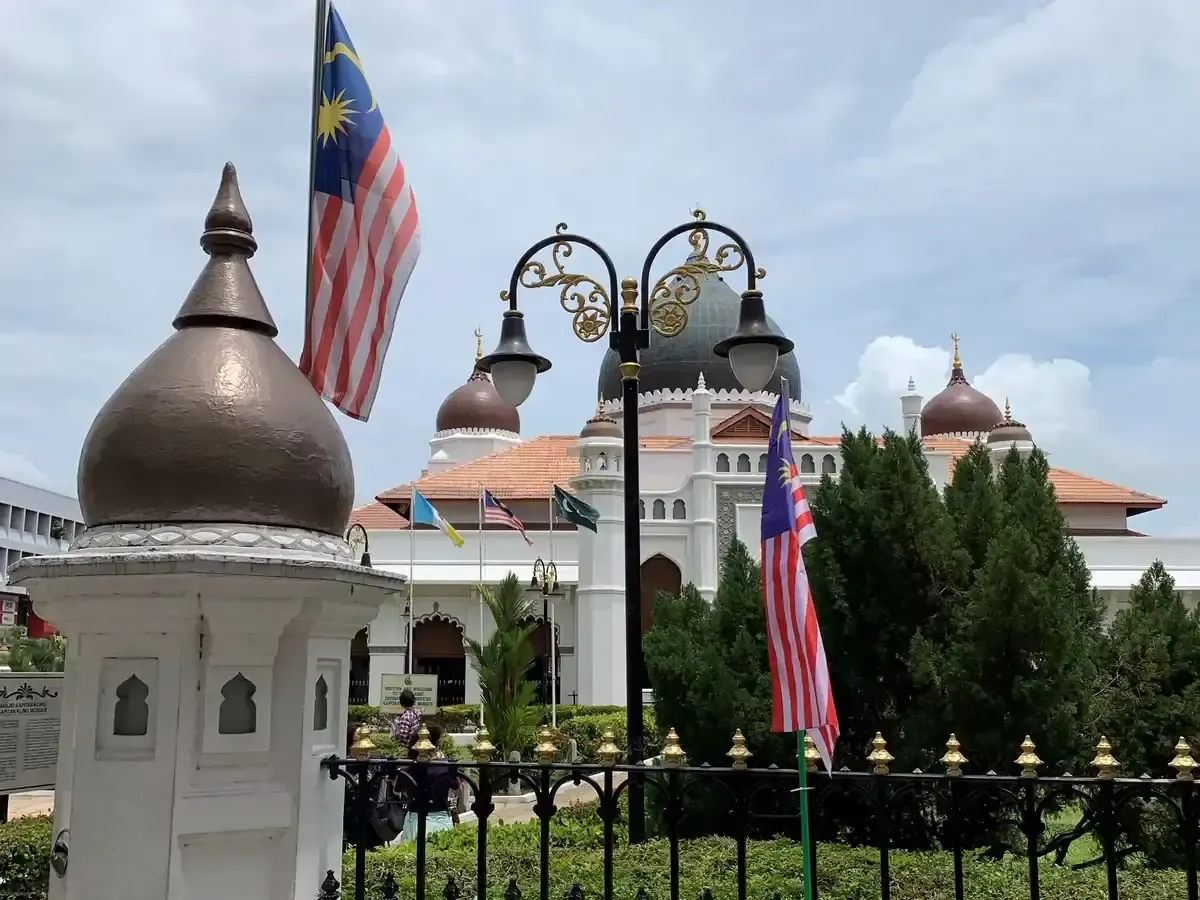
A guided tour to the Kapitan Keling Mosque and its surrounding Indian Muslim businesses
Day 3: Taoism and Buddhism at Goddess of Mercy Temple and Khoo Kongsi (Clan House)
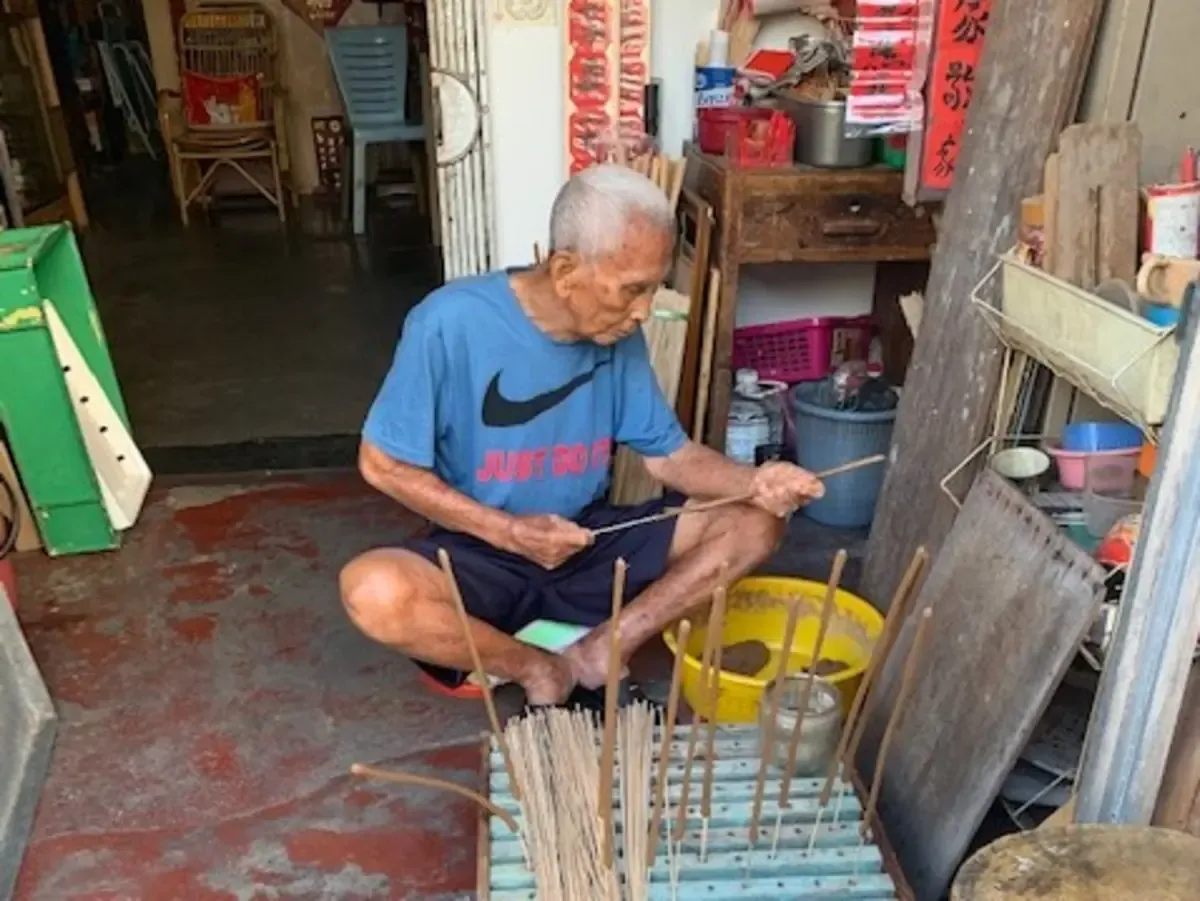
George Town’s oldest living joss stick maker talks about his trade and the joss stick’s place in religion
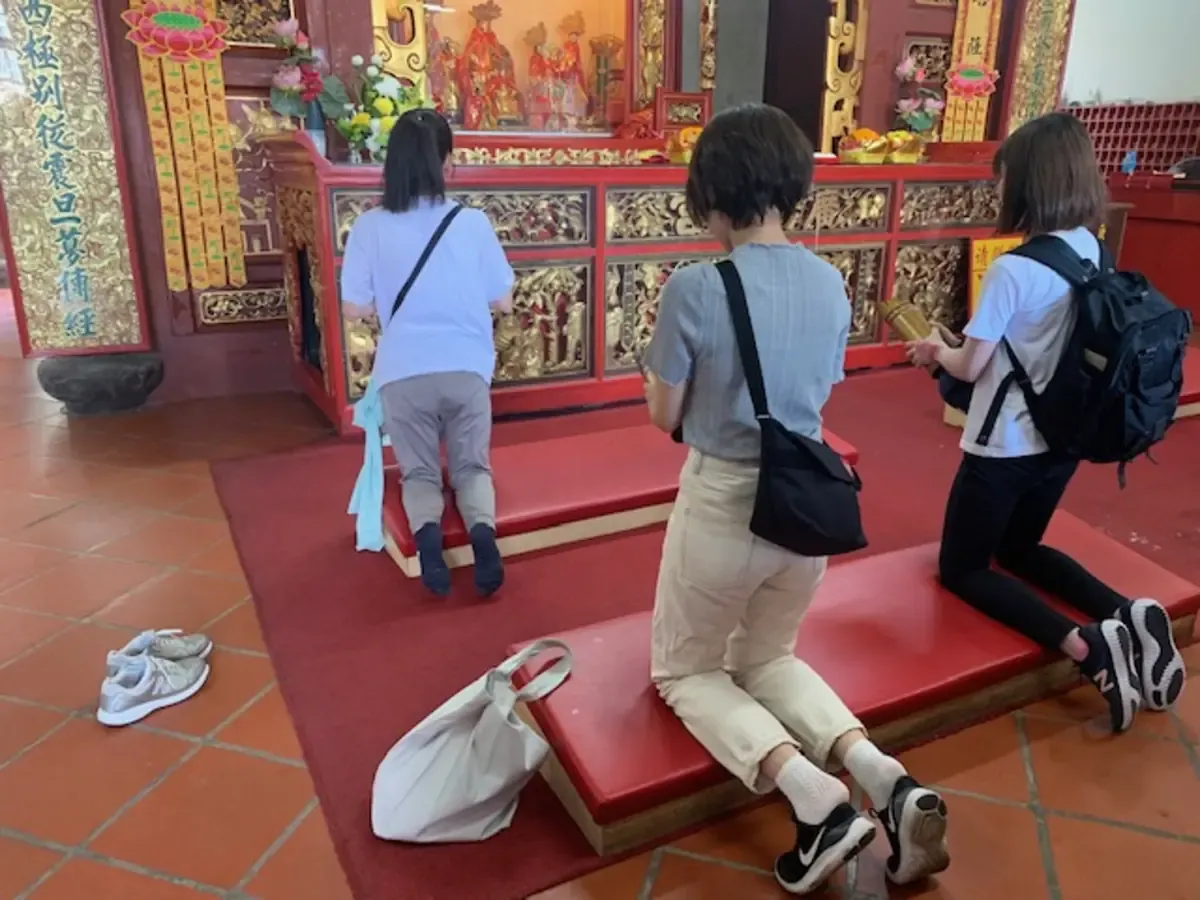
Students learning the significance of fortune reading processes at the Goddess of Mercy Temple
Day 4: Culture, language and history through the lens of popular entertainment at the Penang House of Music
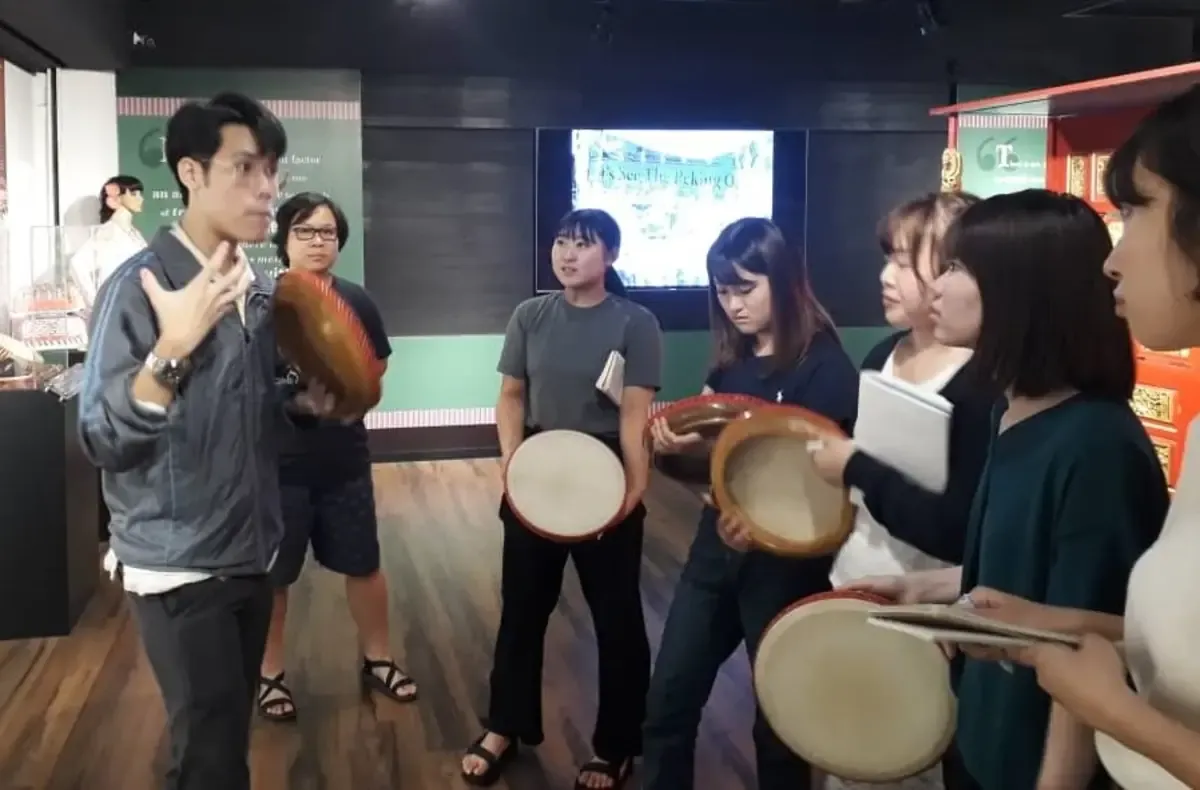
An interactive tour of music and popular culture through the ages - from pre to post independence Malaysia with a special highlight of the Eurasian community in Penang.
Outcomes Produced
Students had worksheets that helped them sum up all their learnings and reflections from each day. Besides that, each team would document an assigned day via 10 photos, narrating their experiences and their reflections, comparing their culture with that of the ones found in Malaysia. Some comparisons that emerged:
-
Gender roles
-
Freedom of religion
-
Importance of multilingualism in improving cross-cultural understanding
This tour design was adapted from Arts-ED’s Place-Based Learning module. It was commissioned and organised by PARCIC for Seisen Univeristy. For tours customised to different age groups and language abilities, contact me for a quote.
More posts:
5 December 2024
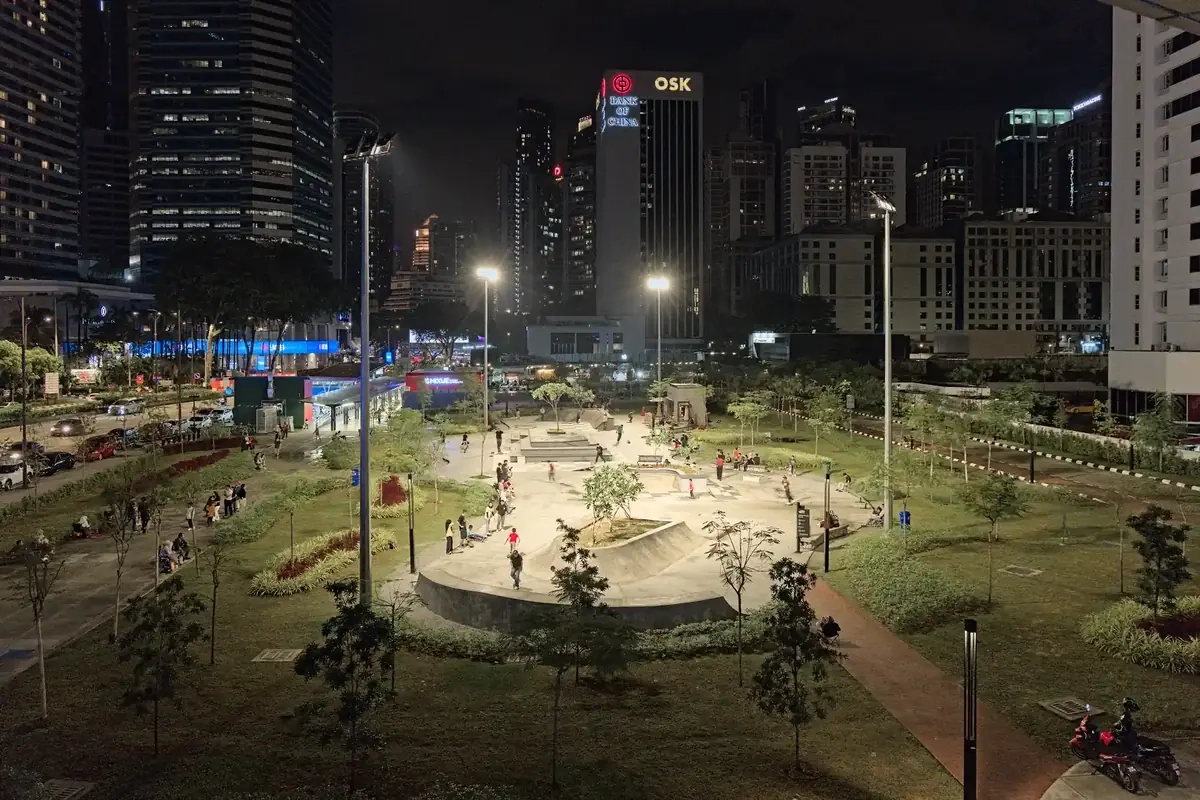
What Skateboarders Can Teach Us About the Future of MRT
Skate plaza at Ampang Park MRT illustrates vibrant placemaking reshaping the future of public transit hubs.
Read More →
4 September 2024
How Community Engagement Breathed New Life into an Underused Sports Facility
Community engagement revives Subang Ria’s abandoned courts, turning them into a vibrant, multi‑use hub.
Read More →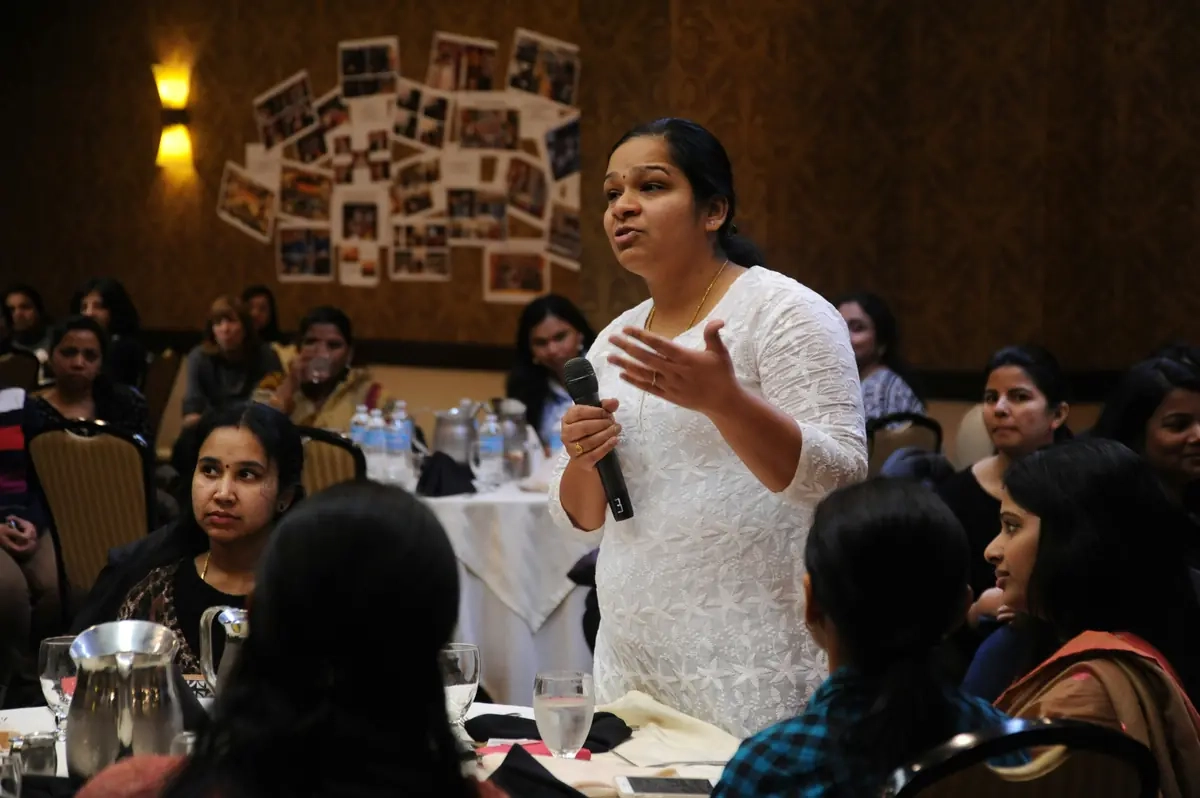
7 July 2024
A Placemaker's Guide to Running Town Halls that Actually Matter
Practical guide to planning, running, and following up on town halls that build trust and drive meaningful placemaking outcomes.
Read More →