A Placemaker's Guide to Running Town Halls that Actually Matter
 Photos by Wonderlane on Unsplash
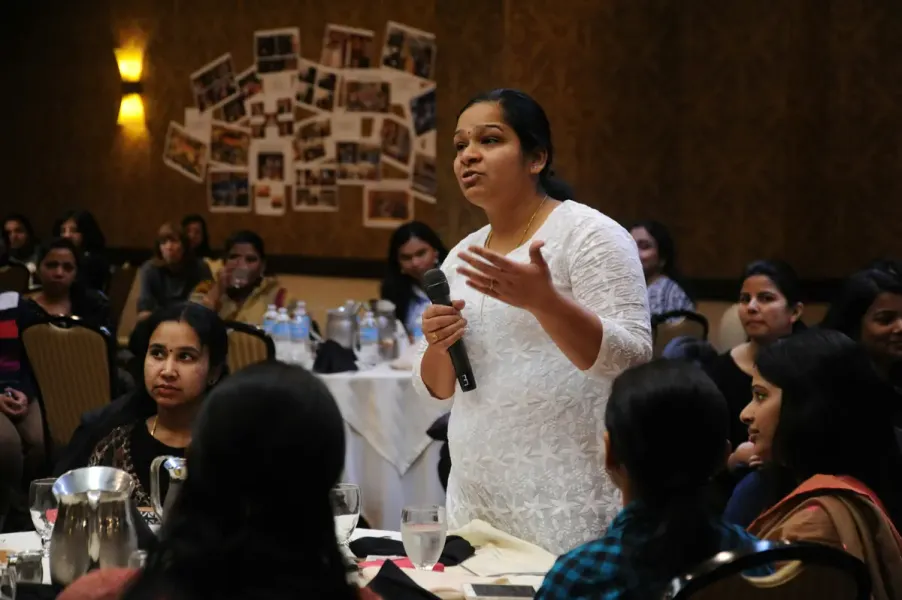
 Town hall meetings are not the easiest to navigate but with the right approach, they can be turned into opportunities for building trust between the users of a place and its decision-makers. Here are best practices that will ensure organised input collection, collective decision making, and transparent follow-ups for your next meeting.
What is a town hall meeting
Originally, these meetings were a way for local leaders to meet their constituents and hear their views on public issues. Today, this format of meeting has been used in many other settings. Even corporations–most famously, Google–have adopted the format, using it for making important announcements like the corporation’s performance or a key change in personnel.
In placemaking, the players in a town hall meeting will vary, most likely according to land ownership. A town hall for public spaces would typically be organised by local authorities, while a town hall for a privately-owned one might be initiated by the developer. In both cases, the most important component of a town hall are its attendees, oftentimes this means a community that uses a space, or communities that are affected by the presence and activities of a space.
Why town halls are important
At its best, town hall meetings promote accountability, foster inclusivity and cultivate a sense of partnership. At worst, they can be full of negativity, lacking solutions, and a place where the divide between decision makers and those impacted by the decisions grows ever wider.
Town halls are not easy gatherings to facilitate as oftentimes, people come with the mindset of being on opposite sides of the fence. As placemaking consultants, our goal when facilitating town halls is to ensure that every other unnecessary obstacle or challenge is removed so that when people attend the meeting, they are as at ease as they can be, and they can get to the meat of things faster.
With proper planning, execution and follow up, these meetings can be great opportunities to build trust and transparency between all parties involved. Here are some of ANTARA Lab’s best practices when we support our clients in facilitating a town hall meeting. It’s split into three sections: Planning, Implementation and Follow-up.
Stage 1: Planning
Clear objectives
Rather than attend town hall as adversaries fighting for different things, approach it as a listen-and-learn session. As organiser, decision-makers should lead the way by setting a tone of “we’re here to listen” as there’s much to learn from users. Users in turn will catch on this respectful approach and reciprocate. Bear in mind that if there has been a long history of bad blood, this process will take time as respect is re-cultivated.
With this approach in mind, crafting objectives for the town hall will be a very different experience. Clear, intentional objectives help build a structured agenda for town halls. As organiser, ensure you know why you’re conducting a certain session. Starting with a welcome note, followed by a presentation, feedback, and reflection; although this is a good template to start thinking about the session’s structure, never resort to autopilot to plan your town hall program. Always let the objectives be your guide. Methods can be varied, but they should always work towards keeping objectives and reaching outcomes.
Non partisan moderation
There is never a completely neutral party. But the chosen moderator or facilitator should be someone who does not stand to directly benefit from the decisions made. A placemaking consultant is neither a permanent staff of the developer, nor are they a resident affected by the changes made to the site. Yes, placemaking consultants are often hired by the developer, but their KPI should be to ensure that multiple sides of the narrative are considered in a project.
Inclusive participation
Which leads us to the important task of making sure an inclusive representation is achieved during town halls. The placemaker steps back and maps all stakeholders who will be impacted or stand to be impacted by a project, and works to get these people a seat at the table.
With a diverse participant list, town hall meeting facilitators should do homework on what terms to use, what needs to keep in mind when engaging marginalised or vulnerable communities. If you’re unsure, consult a member of that particular community to learn more.
Example: ensure boards and breakout rooms allow for easy access and comfort of participants – a senior citizen may not be able to sit casually on the floor, a person on a wheelchair will not be able to have a clear view of a board on a wall with people standing around it during a discussion.
Ask yourself: are the visuals and language understandable? Technical terms, architectural drawings are not immediately understood by people outside of the profession. Time should be set aside to adapt drawings or terms so that they can be easily understood by everyone attending. In a town hall setting, the aim is for everyone to spend more time engaging in critical discussion rather than trying to understand technical jargon.
Organised input collection
Attendees express their care for a place by showing up to town halls to give their input, in hopes that they would be heard. As town hall meeting organisers, we need to recognise this as the first level of trust. Further trust is then built upon this foundation when we go beyond just collecting input, but also sharing how this input will be used to affect change.
If the situation allows it, it’s best if town hall facilitators plan to process collective input in front of attendees, so that conclusions are arrived at together, in full transparency. This can be done using various facilitation techniques like clustering, summarising, voting, and prioritising. Carefully select the right technique for your situation, community and desired outcomes.
A note on highly tensed meetings: allow for anonymity during feedback sessions if this yields better insights. This can be achieved with low barrier online tools these days.
Organised follow-up
This is the part organisers often neglect to think about in detail: a game plan for what happens after people leave the town hall meeting.
Will the minutes of the meeting be shared? If so, how?
How do attendees keep track of the progress of changes?
Have you built in a feedback mechanism outside of this town hall meeting?
Well-rehearsed
Ensure all who are involved in organising the town hall meeting are clear on the objectives, the narrative you want to project throughout the event and the outcomes expected from it. This united and confident front will not be missed by those in attendance.
“They’ve thought deeply about this.”
“They know what they’re doing.”
“They’ve considered us in this.”
If attendees see actions that generate the above responses from them, you are effectively earning their trust and buy-in. They also see you as capable and caring in regards to the management of the place in question.
P/S: do test out your tech before the meeting!
Stage 2: Implementation
Openness
Put extra effort and focus on the welcome speech and ice breaker (if your program includes one). Do not get flustered with hiccups or the rush of setting up the meeting. It is important to set that aside and kickstart the meeting with a feeling of being ready for the attendees. Even if there is tension in the air, aim to reset that tone to one of openness and mutual respect. People (on both sides) will be more likely to sense this and sustain this tone throughout the meeting.
Being present
When you facilitate a town hall meeting, you have the dual task of staying present with the ebb and flow of interest in the room while keeping time. This means that you know that time is finite so you give and take. Pursuing a topic of high interest to the room means taking away time from something else on the agenda. If this is OK, then do proceed. You can take away extra factored time from breaks, or sometimes drop an entire section of a program out in favour of a more pertinent one (that will likely act as a bottleneck if not addressed immediately).
Flexibility
Had to cut short the Q&A session? Need more time to process gathered input? Don’t let these stress you out and create a sense of “pressed for time” during town hall meetings. If there’s not enough time for questions to be answered, ask people to write them down and address it later or after the meeting. If the input gathered is too complex to neatly tie up in one session, ask to go away and process it before presenting it in another meeting or through other ways of communication. Most of the time, people will agree with this approach if you do it out of concern and care for the situation, and not as an excuse to delay solution-finding.
Stage 3: Follow-up
Prompt updates
Follow up with minutes or share updates on the to-do’s that were agreed upon. Communicating these shows that you stay accountable to the decisions and promises made during the town hall. This good track record will ensure that the next time you call for any other meeting, people are going to show up with the knowledge that things will progress.
This progress might not be exactly as initially envisioned, but if all parties maintain accountability and intentionality, we can all arrive at a place where there is mutual benefit.
Having a checklist of things to keep in mind as you go through each stage of planning, implementing, and following up will not only greatly improve the outcomes of the town halls you organise, it will more importantly build a foundation of trust between all stakeholders of a place.
More posts:
5 December 2024
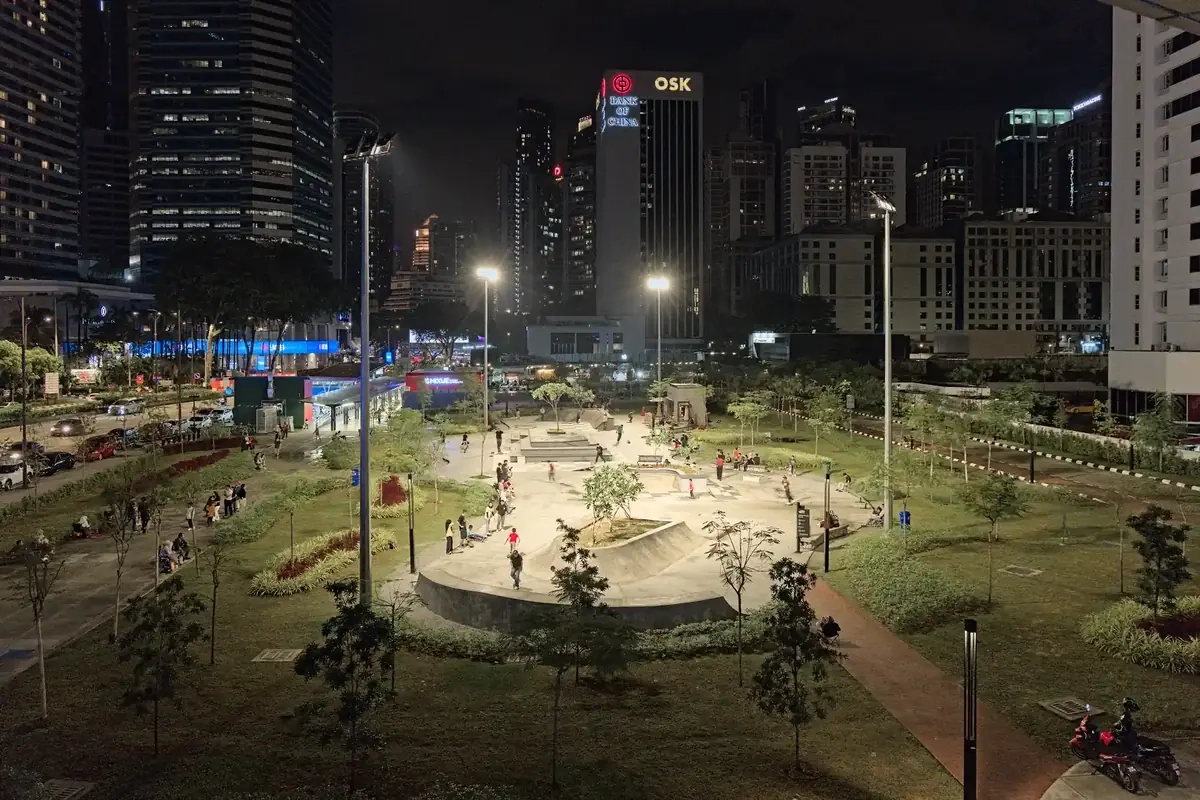
What Skateboarders Can Teach Us About the Future of MRT
Skate plaza at Ampang Park MRT illustrates vibrant placemaking reshaping the future of public transit hubs.
Read More →
4 September 2024
How Community Engagement Breathed New Life into an Underused Sports Facility
Community engagement revives Subang Ria’s abandoned courts, turning them into a vibrant, multi‑use hub.
Read More →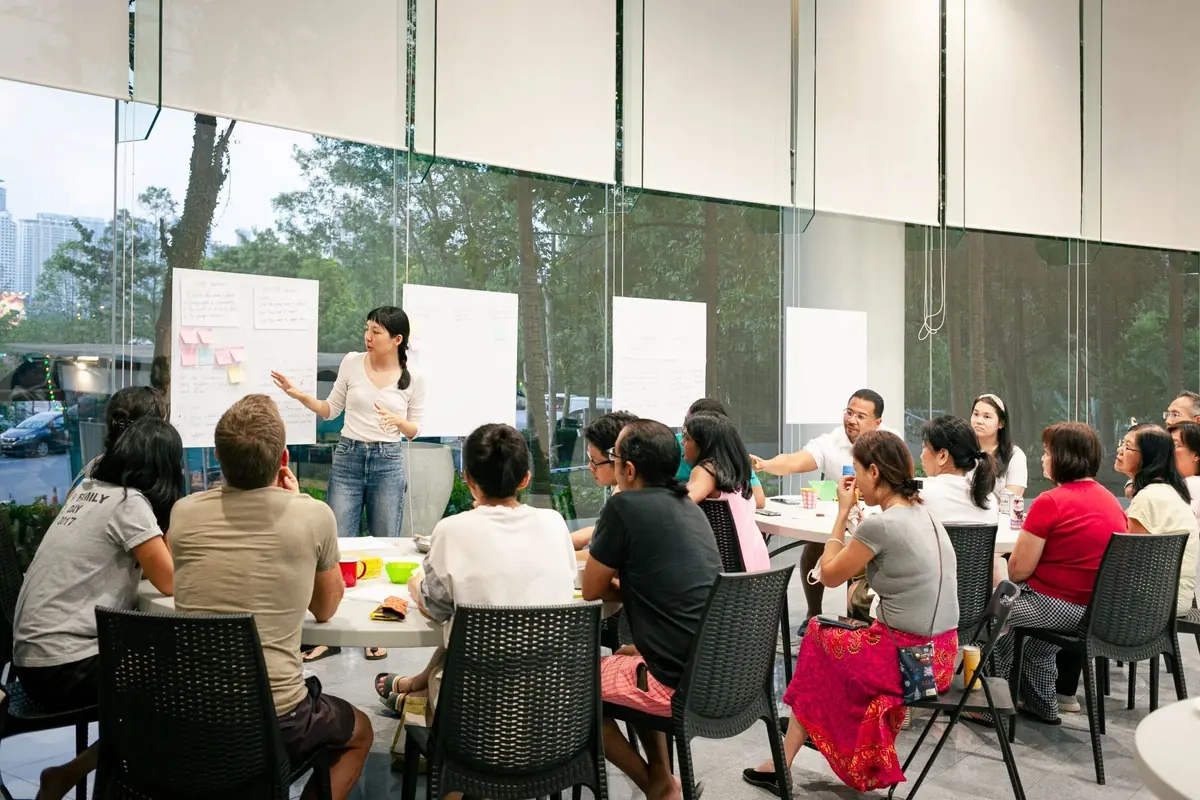
26 March 2024
Looking to Support Non-profit Projects through Placemaking
NGOs and community groups can apply for ANTARA Lab’s placemaking support to revitalise spaces.
Read More →